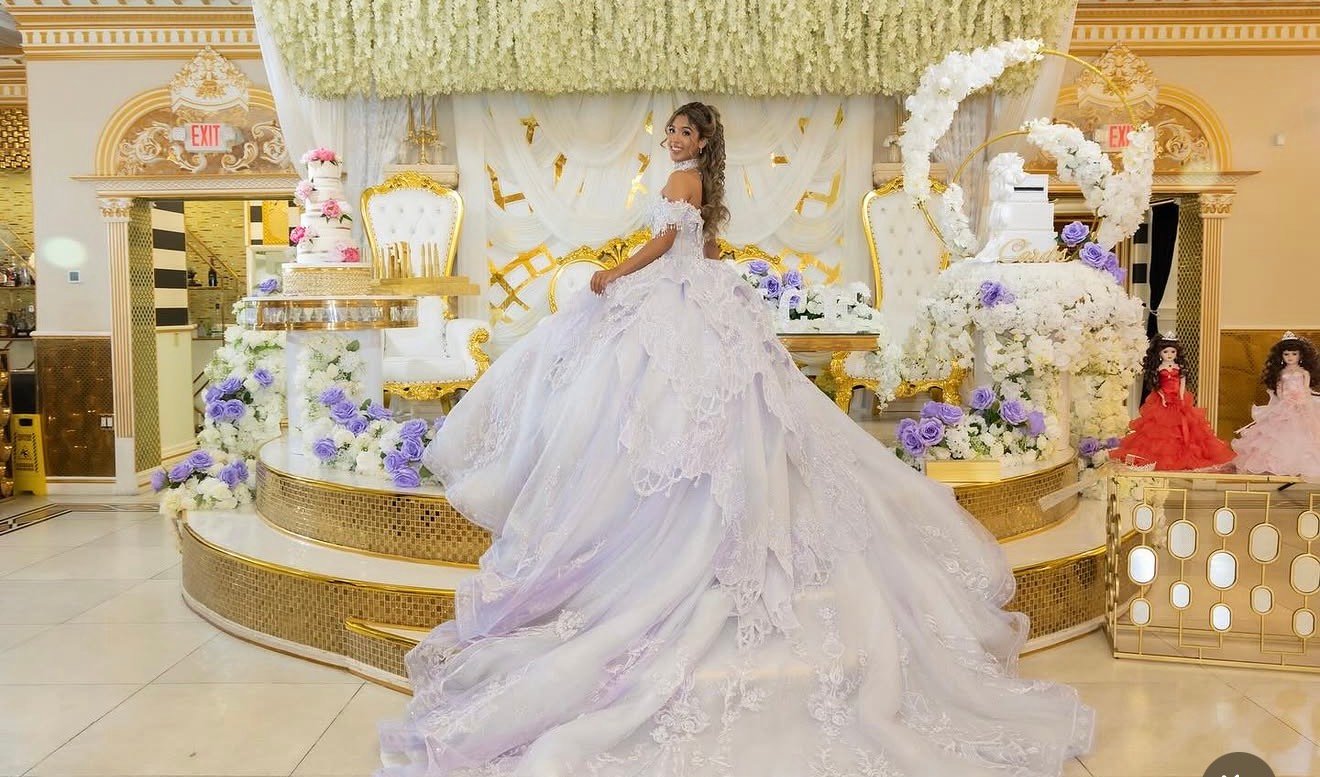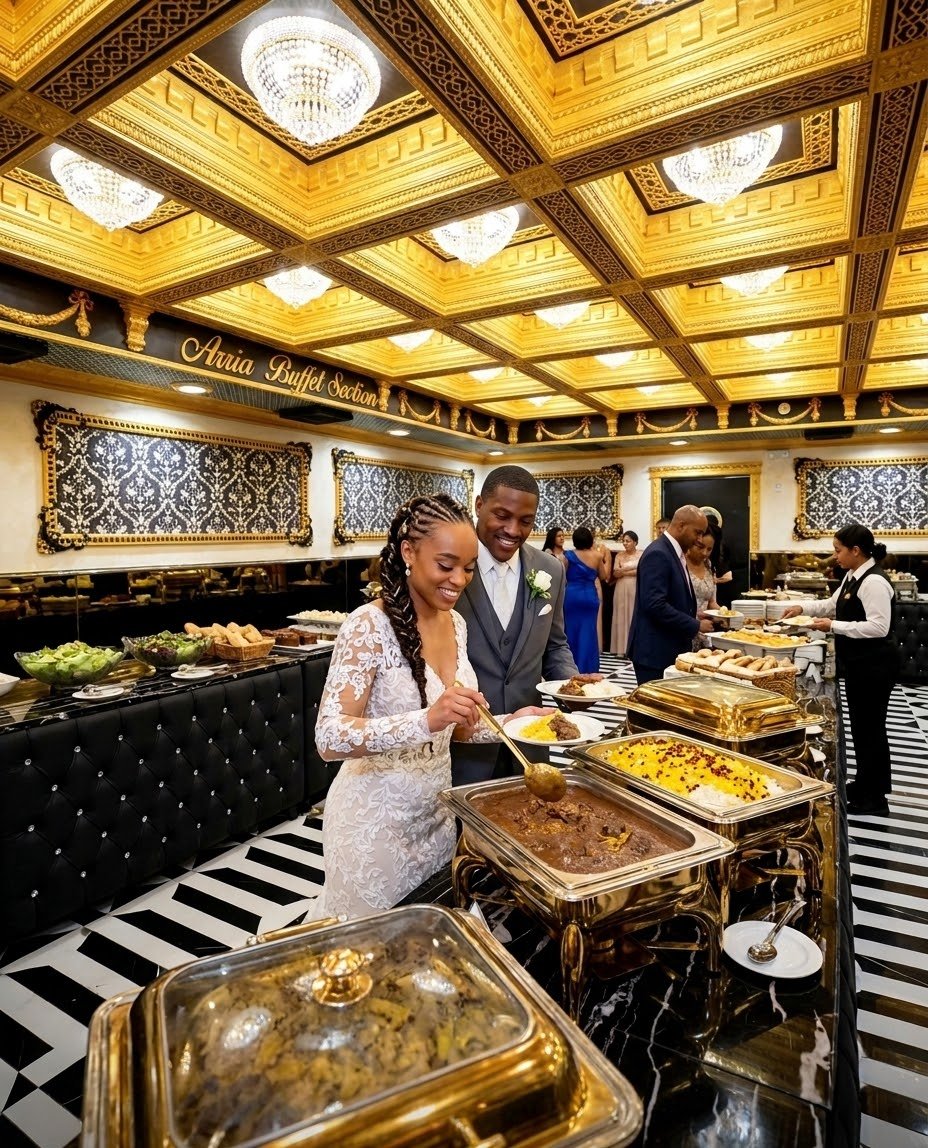
The room usually tells you the truth before the brochure does. If a reception venue looks beautiful online but cannot handle your guest count, floor plan, or timeline, the stress shows up later – during seating, vendor setup, and the first crowded hour of cocktail service. A strong wedding reception venue planning guide helps you look past the surface and choose a space that feels refined, functions well, and supports the kind of celebration you actually want.
For many couples, the venue is the decision that shapes every other one. It affects your budget, guest list, decor needs, entertainment options, and how formal or relaxed the evening feels. That is why the right venue is not just about style. It is about fit.
What a wedding reception venue planning guide should help you decide
A reception venue has two jobs. It should set the tone for the evening, and it should make the event easier to host. The best spaces do both.
Style matters, of course. You want a setting that feels polished and memorable in photos, and one that matches your vision without requiring major transformation. But practical details matter just as much. An elegant room with poor flow can make even a well-planned reception feel disjointed. On the other hand, a versatile venue with thoughtful layout options can support anything from a classic seated dinner to a lively dance-focused celebration.
When touring spaces, think beyond whether you like the look. Ask yourself whether the venue supports your priorities. If your guest list is large, capacity and table spacing matter more than decorative details. If family traditions are central to the evening, you may need a layout that leaves room for formal entrances, cultural dances, blessing ceremonies, or extended family seating. If you want a personalized event, flexibility becomes one of the most valuable features in the room.
Start with guest count, not decor
One of the most common planning mistakes is falling in love with a venue before confirming whether it suits the actual number of guests. Capacity is more nuanced than a single number on a website. A room that accommodates 200 standing guests may feel very different when set for dinner, dancing, entertainment, and a head table.
Your ideal guest count should guide your search early. If you are inviting 150 to 200 guests, ask how the space feels at that size, not just whether it is allowed. Some venues technically fit the number but lose comfort once tables, buffet stations, a dance floor, and vendor equipment are in place. Others are designed with enough open floor area to remain comfortable and elegant even during a full reception.
This is where floor plan flexibility becomes especially valuable. An open layout gives you options. You can adjust table placement, create clearer traffic flow, and design the room around your celebration rather than forcing your plans into a preset format.
Compare venue layout the way your guests will experience it
A polished reception should feel effortless to the people attending it. Guests should know where to enter, where to gather, where to sit, and how to move through the evening without confusion. That experience is shaped by layout.
As part of your wedding reception venue planning guide, picture the event in motion. Where will cocktail hour happen? Is there a natural location for the sweetheart table or head table? Will the dance floor feel central and inviting or squeezed into a corner? Can servers and guests move comfortably between tables? These are not small details. They influence the entire atmosphere.
Large indoor venues often have an advantage here because they offer consistency. Weather is less of a concern, the event remains visually cohesive, and setup can be more predictable. If the room also includes scenic features such as lake views or strong natural light, you gain visual impact without sacrificing function.
For couples planning a formal reception, layout clarity helps the evening feel elevated. For families planning a high-energy celebration with multiple generations, it also improves comfort. Grandparents need easy seating access. Children need space to move. Vendors need room to work without interrupting the event. Good flow supports everyone.
Budget for the room you need, not just the rate you like
Venue pricing can look straightforward at first, but the real comparison is rarely just the rental fee. A lower base price may require more rentals, more decor, or more logistical work to achieve the same result. A refined venue with an adaptable interior may save money elsewhere because it already offers the atmosphere and usable space you need.
When reviewing cost, ask what is included and what will have to be added. Tables, chairs, setup windows, cleanup terms, vendor access, parking, and event timing all affect value. So does the room itself. If the venue already feels classic and polished, you may not need to spend as much on draping, staging, or decorative installations.
It also helps to be honest about where your money matters most. If guest comfort, visual presentation, and a spacious layout are high priorities, the venue deserves a larger share of the budget. If your plans are more intimate or highly stylized, you may be comfortable allocating more toward florals, entertainment, or specialty catering instead. It depends on the kind of experience you want to create.
Ask how flexible the venue really is
Versatility is one of the most useful qualities in a reception space, but it should mean more than “you can decorate it.” True flexibility means the venue can adapt to your guest count, service style, and event flow.
That matters because weddings rarely follow one exact formula. Some receptions center on dinner and speeches. Others build around dancing, live entertainment, cultural traditions, or extended family participation. A flexible venue can support these differences without making the room feel compromised.
Ask specific questions. Can the layout be customized? Is there room for a DJ or live band setup? How easily can the space shift between ceremony, cocktail hour, and reception if needed? Will your floor plan still feel balanced if you add a dessert display, photo area, or oversized dance floor?
For many hosts, this is where a venue stands out. A large, refined indoor space with adaptable layout options offers more control over the experience. It gives couples and families room to personalize the celebration while keeping the setting elegant and event-ready. That is part of what makes a venue such as Chic Venue Anderson appealing for milestone events in the Tampa area – it provides visual polish without locking clients into a rigid format.
Style should support the event, not compete with it
The best reception venues feel distinctive without limiting your choices. If the room is too themed or overly specific, it can be harder to make it your own. If it is too plain, you may need to spend heavily just to give it presence. The sweet spot is a venue with classic design, refined finishes, and enough neutrality to work with different aesthetics.
That balance is especially helpful for multicultural celebrations and family-led events. Traditions vary, color palettes vary, and expectations vary. A versatile setting can host a formal black-tie reception, a romantic candlelit dinner, or a celebration that blends cultural customs with modern styling. The room should elevate the event, not force it into a narrower look.
When you tour, pay attention to what already feels finished. Lighting, ceiling height, views, entry experience, and overall scale all contribute to how much the space naturally offers. A strong venue should look beautiful before you add a single centerpiece.
Do not overlook the practical side of hosting
Even the most elegant reception can become stressful if logistics are weak. Parking, accessibility, load-in times, restrooms, vendor coordination, and event timing all matter. These details may not be the reason you book a venue, but they are often the reason the day feels calm instead of chaotic.
This is particularly true for medium-to-large guest counts. More guests mean more movement, more seating decisions, more coordination, and less room for error. A venue that is organized, spacious, and experienced with celebrations can reduce pressure on everyone involved.
If you are comparing several options, notice how clearly each venue communicates. Are pricing and inclusions easy to understand? Can they explain floor plan options with confidence? Do they seem prepared for the type of celebration you are hosting? Reliability has its own kind of elegance.
Make the final decision with both vision and function in mind
A reception venue should feel right when you walk in, but it should also make sense when you ask harder questions. Can it hold your guests comfortably? Can it support your timeline? Can it reflect your style without requiring unnecessary compromise? Those answers matter more than a dramatic first impression.
The strongest choice is usually the venue that gives you both beauty and room to work with. It feels refined from the start, but it also adapts to the real shape of your event. That combination is what turns a lovely room into a celebration people remember for all the right reasons.
As you plan, trust the spaces that make your vision feel possible and your logistics feel manageable. The right venue does not just host the reception – it helps the evening unfold with confidence, comfort, and style.