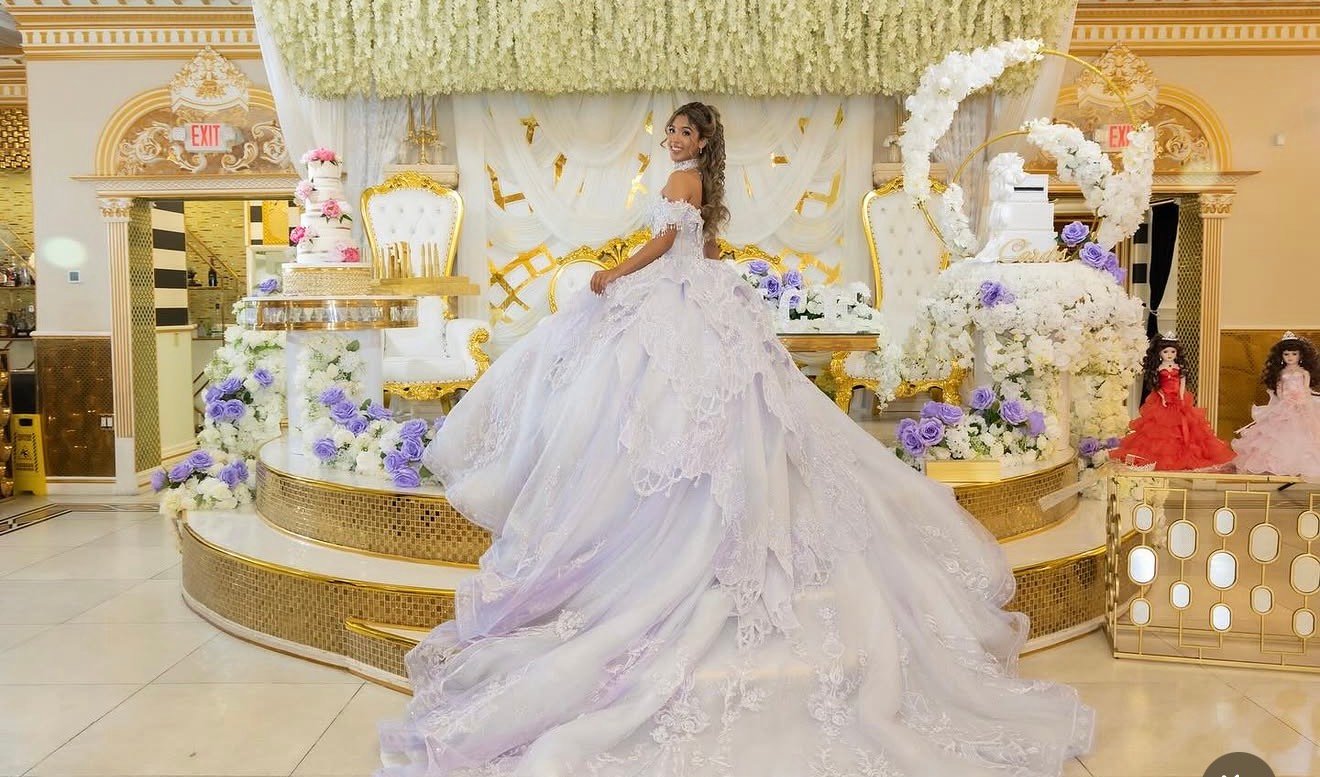
The right venue can make planning feel clear and exciting. The wrong one can leave you juggling layout problems, hidden fees, vendor restrictions, and guest logistics long after you thought the big decisions were done. If you are wondering what questions to ask venue teams before booking, start with the details that shape both the atmosphere and the flow of your event.
Whether you are planning a wedding reception, quinceañera, sweet sixteen, birthday celebration, banquet, or private party, the goal is not simply to find a beautiful room. You want a setting that fits your guest count, supports your vision, and helps the day run smoothly from arrival to last dance.
What questions to ask a venue first
Your first questions should quickly tell you whether a venue is even the right fit. That means asking about capacity, availability, event type, and how the space is typically used. A venue may look polished in photos, but if it cannot comfortably hold your guest list or accommodate your format, it is not the right match.
Start by asking how many guests the venue can host for your style of event. A standing cocktail celebration, a banquet with rounds, and a reception with a dance floor all use space differently. A room that fits 200 guests on paper may feel crowded once you add a sweetheart table, DJ setup, dessert display, or ceremonial elements.
You should also ask whether the venue is designed for flexible layouts. That matters if your event includes multiple moments in one space, such as a ceremony followed by dinner, or a formal entrance followed by dancing and family presentations. A versatile floor plan gives you more room to personalize the experience instead of forcing your event into a preset setup.
Availability is another early filter. Ask whether your preferred date is open, but also ask what other dates may be available nearby if you have some flexibility. Popular weekends go quickly, especially during peak celebration seasons in Florida.
Ask about layout, flow, and guest experience
Once a venue passes the first-fit test, move into how the space actually functions. This is where good planning protects your guest experience.
Ask to see the floor plan and talk through how the room can be arranged. You want to know where guests will enter, where the main event moments will happen, and how the room transitions from one part of the celebration to another. For weddings and milestone events, flow matters as much as appearance.
Ask where key elements typically go, including the head table, dance floor, DJ or band, cake or dessert table, gift table, photo backdrop, and bar area if one is included. A refined venue should feel open and welcoming, not cramped or confusing.
If your celebration has cultural traditions or formal program elements, ask whether the space can support them comfortably. Quinceañeras, sweet sixteens, and wedding receptions often include choreographed dances, grand entrances, family seating priorities, and presentation moments that need room and visibility. A beautiful venue is only helpful if it works for the way you celebrate.
Natural light, windows, and scenic features are also worth asking about, especially if photos are important to you. The setting affects not only the room itself, but the full visual tone of your event.
What questions to ask venue teams about pricing
Pricing questions should go beyond the base rental number. One of the biggest mistakes hosts make is assuming the quoted rate covers everything they need.
Ask what is included in the rental fee. That may involve tables, chairs, setup time, cleanup time, parking access, private use of the space, and staffing support. Then ask what costs extra. Those added charges can include overtime, security, cleaning, upgraded furnishings, linens, or extended access.
It is smart to ask how payments are structured. Find out the deposit amount, payment schedule, and when the final balance is due. You should also ask whether deposits are refundable and what happens if your guest count changes.
Some venues offer packages, while others provide the room and leave the rest to you. Neither model is automatically better. It depends on how much control you want and how much planning support you need. A more inclusive package can simplify the process. A more open rental structure can give you greater freedom with design and vendors.
Be direct about hidden fees. Ask whether taxes, service charges, and required add-ons are already included in the quote. Clear pricing is part of a confident booking decision.
Vendor policies matter more than most people expect
A venue may fit your style and budget, but vendor rules can affect nearly every part of your event.
Ask whether you must use preferred vendors or whether outside vendors are allowed. This matters for catering, bartending, decor, entertainment, photography, and event coordination. Some hosts want the simplicity of a curated list. Others already have trusted professionals they want to bring in.
If outside vendors are permitted, ask about insurance requirements, arrival times, loading access, and setup windows. A flexible vendor policy is helpful, but it still needs to be organized. You do not want your florist, DJ, and caterer all competing for limited access on event day.
Catering deserves special attention. Ask whether the venue has a prep area, whether licensed caterers are required, and whether there are restrictions around alcohol service. If your event includes cultural cuisine, dessert tables, or specialty food stations, make sure the venue can support them.
Decor rules are equally important. Ask what is allowed on walls, tables, ceilings, and entrances. Candles, confetti, sparklers, hanging installations, and large backdrops often come with restrictions. It is better to know that before you finalize your design plan.
Ask about timing, access, and day-of logistics
A refined event depends on timing behind the scenes. Even the most beautiful space can feel stressful if setup and breakdown are rushed.
Ask how many hours are included in the rental and when access begins. Does your rental time include decorating, vendor setup, rehearsal, photography, and cleanup, or only guest-facing event hours? That answer changes your schedule significantly.
You should also ask what happens if your event runs late. Overtime policies should be clear and written out before booking. It is common for milestone celebrations to run longer than expected, especially when family speeches, performances, or dancing extend the evening.
Parking, accessibility, and restrooms may sound basic, but they shape comfort for every guest. Ask whether there is on-site parking, how easy the entrance is to find, and whether the venue is accessible for older relatives and guests with mobility needs.
If you are expecting a large guest count, ask how the venue manages arrivals and departures. A polished experience starts before guests walk through the doors.
Questions that protect you if plans change
Every host hopes for a smooth planning process, but smart questions include backup scenarios.
Ask about the cancellation policy, rescheduling options, and what happens if there is an emergency. Florida events may also require weather-related planning, even for primarily indoor celebrations, because storms can affect travel, vendor timing, and guest arrival.
If the venue provides staff support, ask who your main contact will be and when that person becomes involved. Some venues offer strong communication from inquiry to event day. Others are more hands-off. Neither is wrong, but you should know what level of coordination to expect.
It is also wise to ask whether there are noise limits, end-time requirements, or rules that could affect entertainment. If music and dancing are central to your celebration, those details are not minor.
The best venue questions are the ones tied to your event
There is no single perfect checklist because the right questions depend on the kind of event you are hosting. A wedding couple may care most about ceremony-to-reception flow, photo settings, and guest comfort. Parents planning a quinceañera may focus on layout for formal dances, family seating, and a grand entrance. A banquet host may be more concerned with table count, catering access, and clear pricing.
That is why the most helpful approach is to ask practical questions through the lens of your actual event. Not just, “Is the space beautiful?” but, “Will this space work beautifully for the way we plan to celebrate?”
At Chic Venue Anderson, that distinction matters. A classic, refined venue should not box you into one type of setup. It should give you the flexibility to host a celebration that feels personal, polished, and comfortable for everyone in the room.
When you tour venues, pay attention to how answers are given. Clear, confident responses usually reflect an organized event experience. If a venue can explain pricing, layout options, timing, and policies without hesitation, that is a strong sign you are working with a team that understands what milestone events require.
The best question to leave with is simple: can this venue support the event we are truly trying to create? When the answer is yes, planning gets easier and the celebration starts to feel real.