

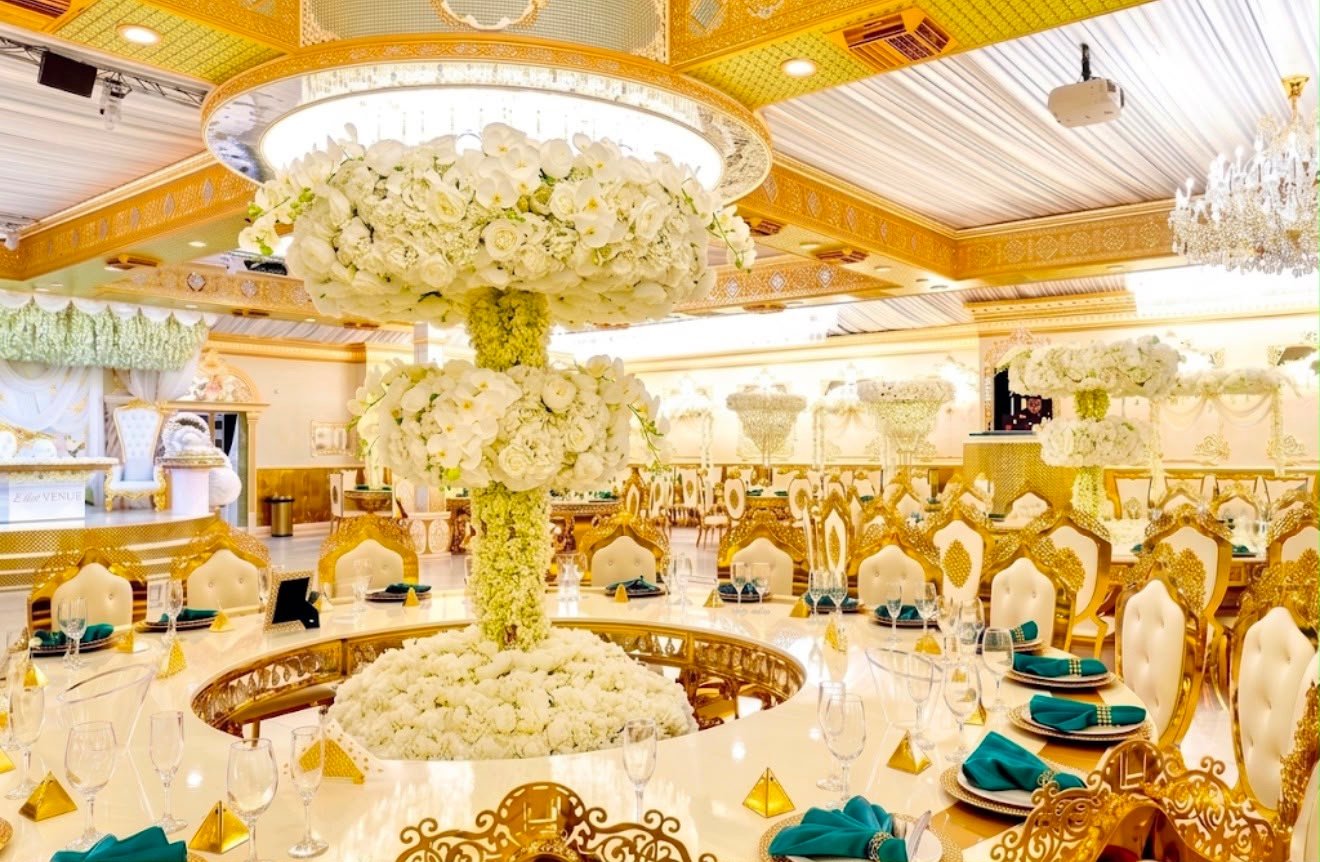
If you’re asking what size venue for 200 guests, the real answer starts with one detail many hosts miss: 200 people on a guest list does not always mean 200 people in seats, on the dance floor, at buffet lines, or gathered for photos at the same time. The right venue is not just about capacity. It is about how comfortably the space supports the way your celebration will actually unfold.
For weddings, quinceañeras, sweet sixteens, banquets, and private parties, that distinction matters. A venue can technically hold 200 guests and still feel tight once you add dining tables, a sweetheart table, a DJ setup, a dance floor, gift tables, dessert displays, and room for people to move naturally. On the other hand, a venue with generous square footage and a flexible layout can feel refined, organized, and welcoming from the first arrival to the final dance.
What size venue for 200 guests usually works?
For most seated events with 200 guests, a practical starting point is around 4,000 to 6,000 square feet of usable event space. That range often works for a standard banquet-style setup with round tables, circulation paths, and room for key event elements. If your event includes a larger dance floor, stage, buffet stations, lounge seating, or multiple focal areas, you may need more.
This is why square footage matters as much as stated capacity. A venue may advertise space for 200 guests, but you still need to ask how that number was calculated. Was it based on theater-style seating, where chairs are arranged closely in rows? Or was it based on a full reception layout with tables, décor, entertainment, and service areas? Those are very different uses of space.
For milestone celebrations, flexibility is often what separates an adequate venue from the right one. An open floor plan gives you more control over how the room feels and functions, especially when your event includes both formal moments and social movement.
Capacity is not the same as comfort
A comfortable event rarely comes from filling a room to its limit. It comes from balance. Guests should be able to walk between tables without squeezing past chairs. Servers should be able to move efficiently. Family members should have room to greet one another, take photos, and gather near focal areas without creating bottlenecks.
For a 200-guest event, comfort depends on several planning choices. A formal plated dinner typically uses space differently than a cocktail-style reception. A wedding with a large dance floor and head table needs more open area than a birthday banquet with simple dining arrangements. A quinceañera may require room for a grand entrance, choreographed dances, and specialty décor that would not be part of another event type.
This is where hosts benefit from thinking beyond a single number. Instead of asking only whether a venue fits 200, ask whether it fits your version of 200.
The layout makes the biggest difference
A well-sized venue for 200 guests should allow your event layout to breathe. In practice, that means planning around the major elements that take up space before the first guest even arrives.
Round guest tables are often the largest footprint in the room. Then come your main feature areas, which may include a dance floor, head table, DJ or entertainment area, cake or dessert display, buffet lines, bar, welcome table, photo booth, gift table, and lounge corners. Once those pieces are added, the open space can shrink quickly.
That is why large, adaptable interiors are so valuable. A refined venue should not force you into one rigid floor plan. It should give you options based on your priorities. If dancing is central to the evening, the layout should support it without crowding your dining area. If you want a dramatic entrance and formal seating, the space should allow that while still keeping guests comfortable.
An open event space can also help with visual flow. Even when hosting 200 guests, the room should feel polished rather than packed. Clean sight lines, defined gathering zones, and enough spacing between features help create a setting that feels elevated.
How much square footage do you really need?
There is no single number that fits every event, but there are useful guidelines. For banquet seating, many planners estimate around 15 square feet per guest as a minimum starting point. Once you add a dance floor, entertainment, service stations, and décor installations, that number can rise to 20 square feet or more per guest.
Using that general range, a 200-guest event may need roughly 3,000 to 4,000 square feet for basic seating alone, and closer to 4,000 to 6,000 or more for a fuller celebration setup. If you want added breathing room, oversized décor, multiple experience stations, or a more luxurious feel, additional space becomes even more valuable.
This is one reason larger venues can be a smart choice even when your guest count is fixed. Extra square footage is not wasted if it creates a better experience. It can improve guest flow, presentation, and flexibility throughout the event.
At a versatile venue, that extra room can be used strategically rather than left empty. You might create a clear ceremony area that transitions into a reception layout, add a spacious dance floor, or include elegant display areas for desserts, favors, or cultural traditions that deserve their own spotlight.
Event type changes the answer
When people search what size venue for 200 guests, they are often looking for one universal answer. In reality, event style changes everything.
A wedding reception for 200 guests usually needs room for dining, dancing, and formal focal points. A sweet sixteen may place more emphasis on entertainment space and photo moments. A banquet may need efficient seating and serving flow. A quinceañera may call for both ceremonial structure and a lively dance atmosphere. A private party may lean more social, with less assigned seating and more mingling.
That means the right venue size depends on whether your event is more structured, more social, or a blend of both. It also depends on how much of the celebration happens indoors and whether the venue offers supporting features that keep the event moving smoothly.
For many Tampa-area hosts, versatility is just as important as size. A beautiful venue should be able to adapt to formal traditions, modern styling, and family-centered celebrations without losing its sense of elegance.
Questions to ask before booking
When comparing venues, square footage and guest count should be the beginning of the conversation, not the end. Ask to see a floor plan. Ask how 200 guests are typically arranged in the space. Ask what happens when you add a dance floor, DJ, sweetheart table, buffet, or custom décor.
You should also ask whether the venue feels different with different setups. Some spaces work well for one event style but become restricted with another. Others are designed to remain functional and visually balanced across weddings, receptions, birthdays, and cultural celebrations.
If possible, picture your event from arrival to departure. Where will guests gather first? How will they transition into the main celebration? Will there be enough room for important moments without disrupting service or crowding tables? Those practical details often reveal whether a venue is truly suited for 200 guests.
Why flexibility matters more than a headline number
A venue that accommodates up to 200 guests should do more than meet a limit. It should support a complete experience. That means enough room for comfort, enough openness for customization, and enough structure to keep the event polished.
For hosts planning meaningful occasions, the best venue is one that gives the celebration room to feel personal. A classic, refined setting with a flexible floor plan allows you to shape the event around your vision instead of compromising to fit the room. That can make a major difference in both the look of the event and the way guests experience it.
At Chic Venue Anderson, for example, a 12,000-square-foot indoor venue offers the kind of spacious versatility that helps 200-guest celebrations feel elegant rather than compressed. For milestone events, that combination of capacity and layout freedom is often what hosts are really looking for.
If you are choosing a venue for 200 guests, think beyond whether everyone can fit. Choose a space that lets the celebration move gracefully, photographs beautifully, and gives every part of the day the room it deserves.

