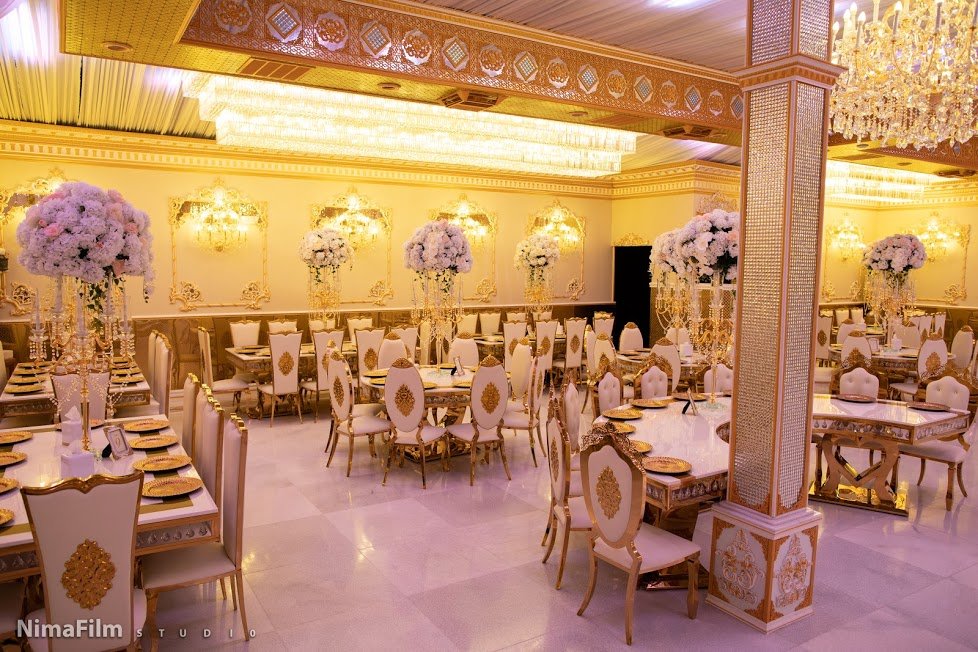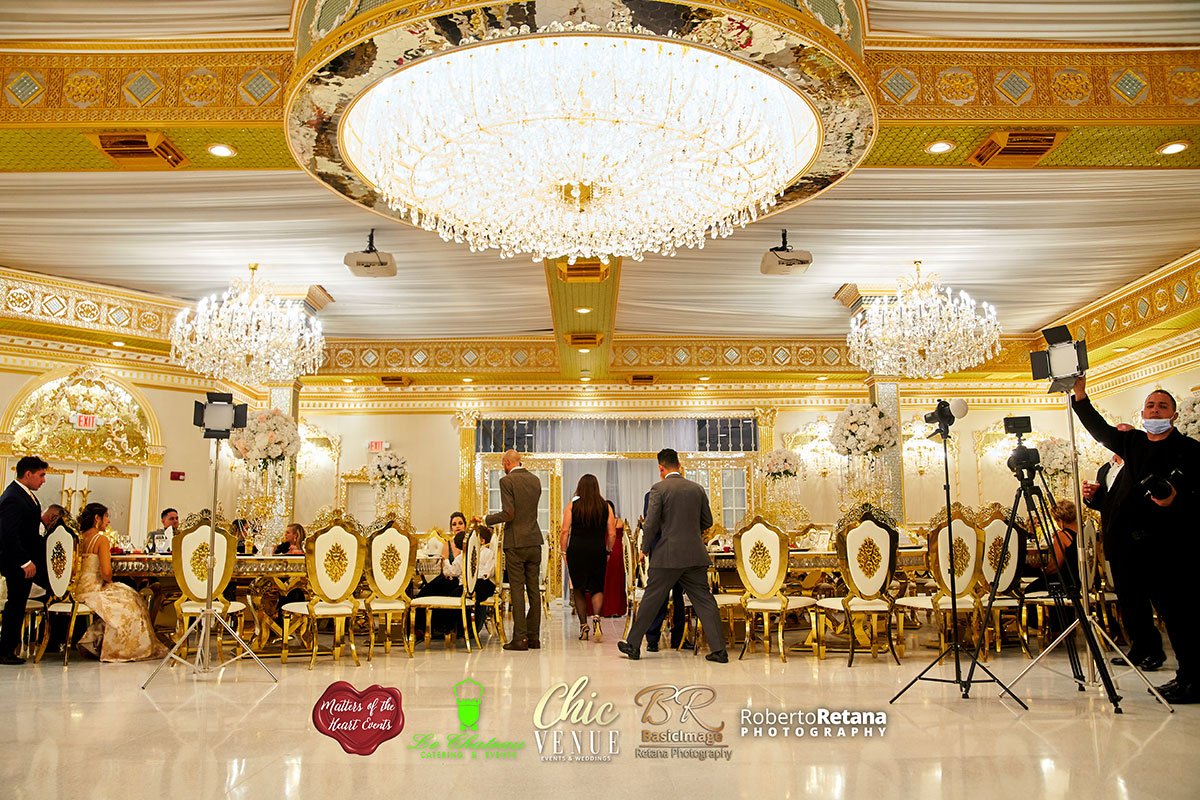
A ballroom can look completely different from one wedding to the next, even when the room stays the same. That is usually where couples start asking, what are wedding event rentals, and do we actually need them? The short answer is that rentals are the items brought into your venue to shape the look, comfort, and function of the celebration.
Some weddings need only a few essentials. Others rely on rentals to transform an open space into a fully styled ceremony and reception. Understanding what falls into this category helps you plan with more confidence, compare proposals more clearly, and avoid paying for items you do not need.
What Are Wedding Event Rentals for a Wedding?
Wedding event rentals are temporary items hired for your wedding day rather than purchased outright. They can cover practical needs like tables and chairs, visual details like linens and draping, or specialty pieces like lounge furniture, charger plates, arches, and dance floors.
In many cases, rentals are the layer between the venue itself and your personal design. A refined, versatile venue gives you the setting. Rentals help define how that setting is arranged, styled, and experienced by your guests.
This matters because not every venue includes the same inventory. One space may provide standard tables and chairs, while another may offer very little beyond the room itself. That difference changes your budget, your vendor list, and your timeline.
The Most Common Wedding Event Rentals
When people hear the term rentals, they often think only of tables and chairs. Those are certainly part of it, but the category is much broader.
Furniture and seating
This is the foundation of most rental orders. It often includes guest tables, cocktail tables, ceremony chairs, reception chairs, sweetheart tables, cake tables, and sometimes bars or lounge seating. If your guest count is large, furniture rentals become one of the biggest planning factors because layout and comfort go hand in hand.
A flexible indoor venue is especially helpful here. If you have room to adjust the floor plan, your furniture rentals can support a more formal dinner, a spacious dance floor, or a mixed layout with both banquet seating and social areas.
Linens and table decor
Linens can change the character of a room quickly. Tablecloths, runners, napkins, chair covers, and specialty overlays all fall under wedding rentals in many event plans. Even when the furniture is simple, the right linen choice can make the setting feel polished and intentional.
There is also a trade-off to consider. Premium fabrics and custom colors create a more elevated finish, but they can increase the bill quickly, especially for larger guest counts.
Dinnerware and serving pieces
Place settings are another common rental category. This may include plates, glassware, flatware, charger plates, serving trays, cake stands, coffee service pieces, and barware. Some caterers provide these items, and some do not, so it is worth clarifying early.
If you are aiming for a classic, refined reception, these details often make more impact than couples expect. Guests notice the overall presentation, even if they cannot name every piece.
Ceremony and decor pieces
Many couples rent arches, pedestals, aisle runners, backdrops, candle holders, easels, staging, and pipe-and-drape systems. These items are often used to create focal points for the ceremony, sweetheart table, cake display, or photo area.
This is where wedding rentals become less about function and more about atmosphere. If you want a room to feel romantic, formal, modern, or culturally personalized, decor rentals help create that shift.
Lighting, flooring, and specialty features
Some weddings also require uplighting, chandeliers, bistro lights, dance floors, staging, or partition walls. These are usually considered specialty rentals. They are not necessary for every event, but they can be important in a large open space where you want to define separate zones for dining, dancing, and entertainment.
Why Rentals Matter More Than Couples Expect
Rentals affect more than appearance. They shape guest flow, comfort, and timing.
For example, the same room can feel crowded or spacious depending on table size, chair style, and how cocktail areas are placed. A ceremony setup that looks beautiful in photos still needs enough aisle width, clear sightlines, and practical access for older family members. That is why rentals are not just decorative decisions. They support how the event actually works.
They also influence your vendor coordination. Delivery windows, setup labor, pickup times, and damage policies can all affect your schedule. If several rental categories come from different companies, the planning becomes more complex. If they are bundled through one provider or partially included with the venue, the process is usually simpler.
What Are Wedding Event Rentals Versus Venue Inclusions?
This is one of the most important distinctions to understand before booking. A venue inclusion is an item or service already provided as part of the rental of the space. Wedding event rentals are the extra items brought in separately, whether through the venue, a rental company, or another event vendor.
For example, a venue may include standard banquet tables and chairs. If you decide you want cross-back chairs, specialty linens, or a custom ceremony arch, those upgrades are rentals. In another venue, even the basic tables may need to be rented.
That is why two wedding budgets with the same guest count can look very different. The room rate is only one part of the picture. What is included, what must be rented, and what level of finish you want all affect the total investment.
How to Decide Which Rentals You Actually Need
The best approach is to start with function, then move to style.
First, account for the essentials your guest experience depends on. You need enough seating, dining surfaces, and service pieces for the way you plan to host the event. Then look at the design elements that support the atmosphere you want.
Not every wedding needs custom lounges, specialty bars, or dramatic ceiling treatments. Sometimes a clean floor plan, elegant linens, and well-chosen chairs create a more polished result than adding too many decorative pieces. It depends on your venue, your priorities, and how much transformation the space needs.
A classic indoor venue with strong architectural character may require fewer rentals than a blank space. That can be a real advantage for couples who want an elevated look without overcomplicating the design.
Questions to Ask Before You Book Wedding Rentals
A beautiful proposal is helpful, but the details matter more. Ask what is included in the quoted price and whether setup, breakdown, delivery, and pickup are separate charges. Confirm quantities, dimensions, color options, and replacement policies for damaged items.
You should also ask who is responsible for coordinating access to the venue and how long installation will take. This becomes especially important for larger weddings, cultural celebrations, or events with multiple room transitions.
Another smart question is whether sample photos reflect the exact rental items being quoted. Similar products can vary in finish, scale, and quality, and those differences show up quickly in a formal event setting.
Budgeting for Wedding Event Rentals
Rental costs can rise quickly because they build in layers. A single table may seem affordable until you add linens, chairs, chargers, place settings, and centerpiece support items for every guest. That does not mean you should avoid rentals. It means you should prioritize the pieces that carry the most visual and functional value.
Many couples do best when they focus on three areas: comfortable seating, strong table presentation, and one or two standout design features. That creates a refined experience without stretching the budget in every direction.
It is also wise to leave room for logistics. Delivery fees, labor, and last-minute quantity changes are common pressure points. A realistic budget accounts for the full event setup, not just the item list.
When a Versatile Venue Reduces Rental Stress
One of the easiest ways to simplify wedding planning is to choose a space that works well before extensive decorating begins. A refined venue with flexible floor plans, generous capacity, and an event-ready interior can reduce how many rentals you need to bring in just to make the celebration feel complete.
For couples hosting larger receptions or milestone family celebrations in the Tampa area, that flexibility can make a noticeable difference. At Chic Venue Anderson, for example, the ability to configure a spacious indoor setting around your guest count and event style gives you more control over where rentals add value and where they are not necessary.
That balance matters. The goal is not to rent everything possible. The goal is to create a wedding that feels beautiful, comfortable, and true to the occasion.
Wedding event rentals are simply the tools that help shape that experience. When you understand what they include and how they affect the room, you can make decisions that feel both elegant and practical – and that usually leads to a celebration your guests will remember for all the right reasons.