

Sticker shock usually happens the moment a couple realizes the venue is not just another line item – it is the foundation of the entire wedding budget. If you’re asking how much does it cost to rent a wedding venue in Tampa, the honest answer is that it depends on guest count, location, season, rental hours, and what is actually included. But in most markets, venue pricing can range from a few thousand dollars for a simple space rental to well over $15,000 for a highly sought-after property with premium inclusions.
For couples planning in the Tampa Bay area, that range can shift based on waterfront demand, peak wedding dates, and whether the venue offers flexibility for both ceremony and reception. A refined, versatile indoor venue often delivers better value than it first appears because it can simplify logistics, protect the event from weather concerns, and support a more customized layout.
How much does it cost to rent a wedding venue on average?
Nationally, many couples spend somewhere between $3,000 and $10,000 on their wedding venue rental, though luxury properties and all-inclusive spaces can push well beyond that. On the lower end, you may find community halls, simple banquet spaces, or off-peak weekday rentals. On the higher end are estates, resort venues, waterfront properties, and in-demand event spaces with design-forward interiors and built-in amenities.
The key distinction is whether you are paying only for access to the space or for a broader event experience. A venue that appears affordable at first may require separate rentals for tables, chairs, setup, cleanup, dressing rooms, parking coordination, and vendor access. A venue with a higher base rate may actually be the more practical choice if it includes the essentials needed for a polished celebration.
That is why price alone rarely tells the full story. Couples should look at the final event cost, not just the rental number listed on a pricing sheet.
What affects wedding venue rental cost?
Several factors shape how much it costs to rent a wedding venue, and some matter more than couples expect.
Location
Venue pricing rises in areas where demand is consistently high, especially in desirable metro and waterfront markets. In and around Tampa, couples often pay a premium for convenience, atmosphere, and accessible locations for guests traveling from different parts of the region. A venue that feels central and easy to reach can justify a higher rental cost because it improves the guest experience from the start.
Guest count and space size
A larger guest list usually requires a larger venue, but size is not the only issue. The layout matters just as much. A flexible floor plan can accommodate a seated dinner, dance floor, stage, sweetheart table, and lounge areas without making the room feel crowded. That kind of adaptability adds value, especially for weddings with 100 to 200 guests.
Season and day of the week
Saturday evenings during spring and fall are often the most expensive dates to book. Fridays, Sundays, and weekday weddings are typically more budget-friendly. Couples who have flexibility with their date can sometimes secure a more refined venue at a noticeably better rate simply by avoiding peak demand.
Hours of access
Some rentals cover only the event itself. Others include setup time, portrait time, vendor arrival windows, and post-event breakdown. A lower quote can lose its appeal quickly if you need to add extra hours for decorating, rehearsing, or coordinating a full reception timeline.
Included amenities
Tables, chairs, private suites, parking, lighting, sound access, cleanup, and on-site coordination all affect value. These features may not always stand out in the initial quote, but they can significantly reduce separate vendor costs. When comparing venues, ask what is included in writing and what will cost extra.
Venue-only pricing versus all-inclusive pricing
This is where many wedding budgets either stay controlled or expand quickly.
A venue-only rental usually gives you access to the space and little else. That can work well for couples who want full creative control and already have a planner, rental company, and trusted vendor team. It can also be a smart fit for cultural weddings or highly personalized celebrations that need flexibility in setup and scheduling.
An all-inclusive venue often bundles services such as catering, bar packages, décor basics, coordination, and furniture. That can simplify planning, but it may also limit vendor choice or room configuration. For some couples, convenience is worth the premium. For others, a classic venue with an adaptable interior offers a better balance of elegance and freedom.
Neither option is automatically better. The right choice depends on whether you want simplicity, customization, or a combination of both.
Hidden costs couples often miss
Wedding venue pricing is rarely just the rental rate. Before signing a contract, look closely at the full financial picture.
Service charges, security deposits, event insurance, overtime fees, cleaning fees, and vendor requirements can all increase the actual cost. Some venues require approved caterers or bartenders, which may narrow pricing options. Others charge separately for ceremony setup, rehearsal access, or furniture reconfiguration.
Parking is another detail that can be overlooked. If a venue does not have sufficient on-site parking, valet service or shuttle transportation may become necessary. That may not appear on the venue quote, but it still affects the wedding budget.
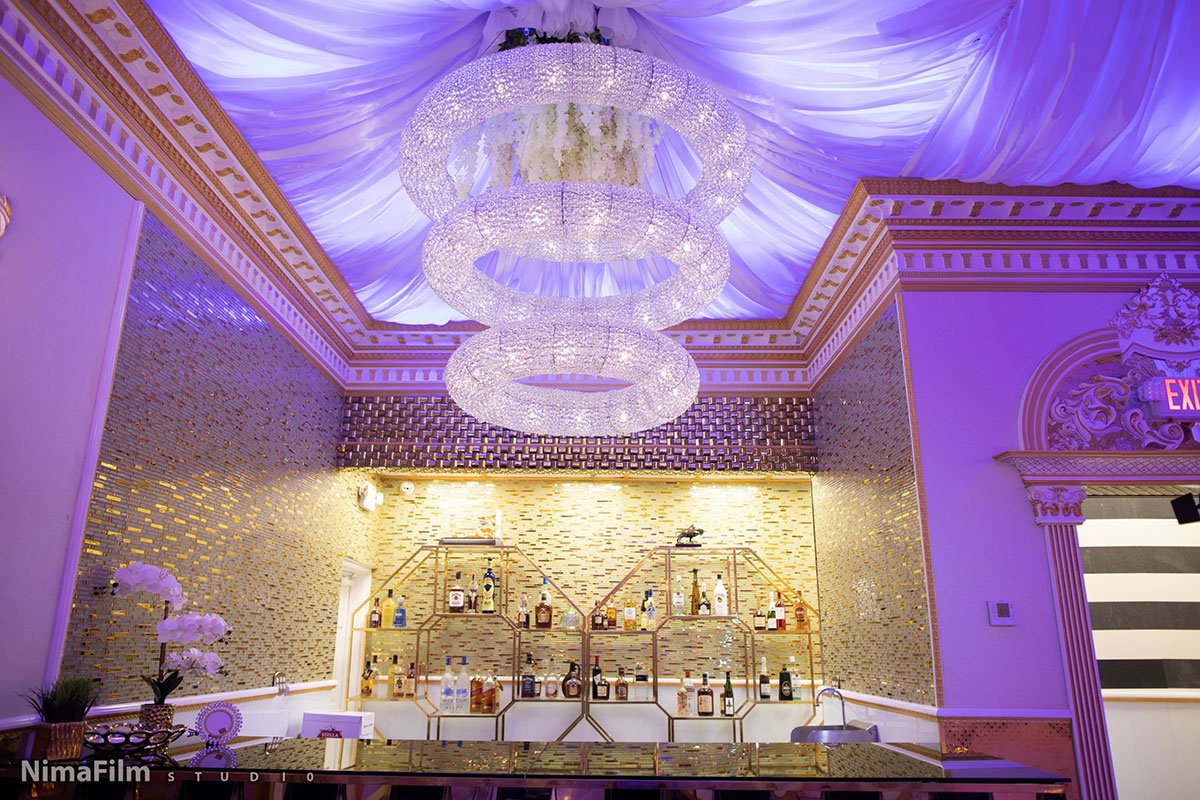
Décor also plays a role. A refined venue with strong architectural character, clean finishes, and natural views often requires less styling to feel complete. A plain room may cost less to rent, yet need more draping, florals, lighting, and rentals to achieve the same visual impact.
How to compare wedding venues the smart way
The best comparison is not venue A versus venue B on price alone. It is total value, guest experience, and how well the space supports your vision.
Start by asking what the rental includes, how many hours you receive, whether ceremony and reception can happen in the same venue, and what the backup plan is if weather becomes a concern. Then look at layout flexibility. A beautiful room that cannot comfortably handle your seating plan, dance floor, entertainment, or cultural traditions may create more stress than savings.
This is especially true for milestone events with multiple components. If your wedding includes a formal dinner, family presentations, dancing, and space for photography, the venue should feel elegant but also function smoothly. An open, versatile interior often gives couples more room to personalize the celebration without sacrificing flow.
For example, a large indoor venue with classic styling and adaptable floor plans may support a ceremony, cocktail hour transition, and full reception under one roof. That can reduce transportation concerns, weather risk, and timing issues for guests and vendors alike. In many cases, that convenience is worth paying for.
What is a reasonable wedding venue budget?
Many couples use 25 to 40 percent of their overall wedding budget on the venue, especially when the space includes major essentials. If your wedding budget is $20,000, your venue target may fall between $5,000 and $8,000 depending on what is included. If your total budget is higher and your priorities are atmosphere, capacity, and a strong guest experience, the venue share may increase.
A reasonable budget is the one that leaves enough room for the rest of the event. There is little benefit in booking a stunning venue if it forces painful compromises in catering, photography, entertainment, or guest comfort.
That said, the venue is one of the few choices that affects nearly every part of the wedding. It shapes the schedule, the look of your photos, the logistics for vendors, and the overall tone guests remember. For that reason, many couples decide it is worth investing more in a venue that feels refined, practical, and ready for celebration.
When paying more for a wedding venue makes sense
Paying more can make sense when the venue solves problems before they happen. If the space is large enough for your guest count, well located, weather-protected, visually polished, and flexible enough to match your plans, that added value is real.
For couples who want an elegant setting without a rigid template, a versatile event space can be especially appealing. A venue like Chic Venue Anderson, with a spacious indoor layout and a setting designed for meaningful celebrations, can help couples create a wedding that feels elevated while still fitting their own style and traditions.
The smartest venue choice is not always the cheapest one. It is the one that supports your guest list, your timeline, and your vision without creating unnecessary strain on the rest of your budget.
As you compare options, look beyond the posted price and ask what the space truly allows you to create. A wedding venue should do more than hold your event – it should give your celebration the room, atmosphere, and confidence it deserves.
