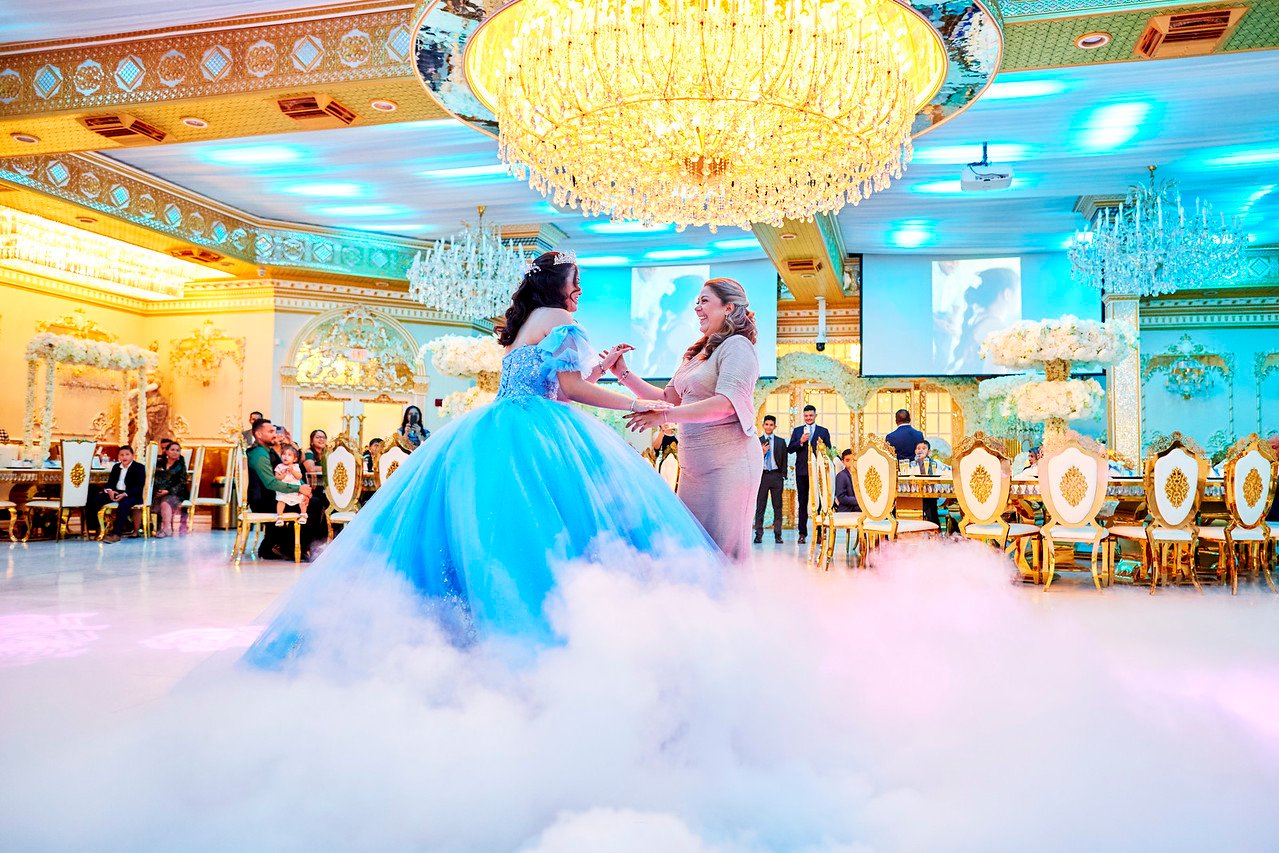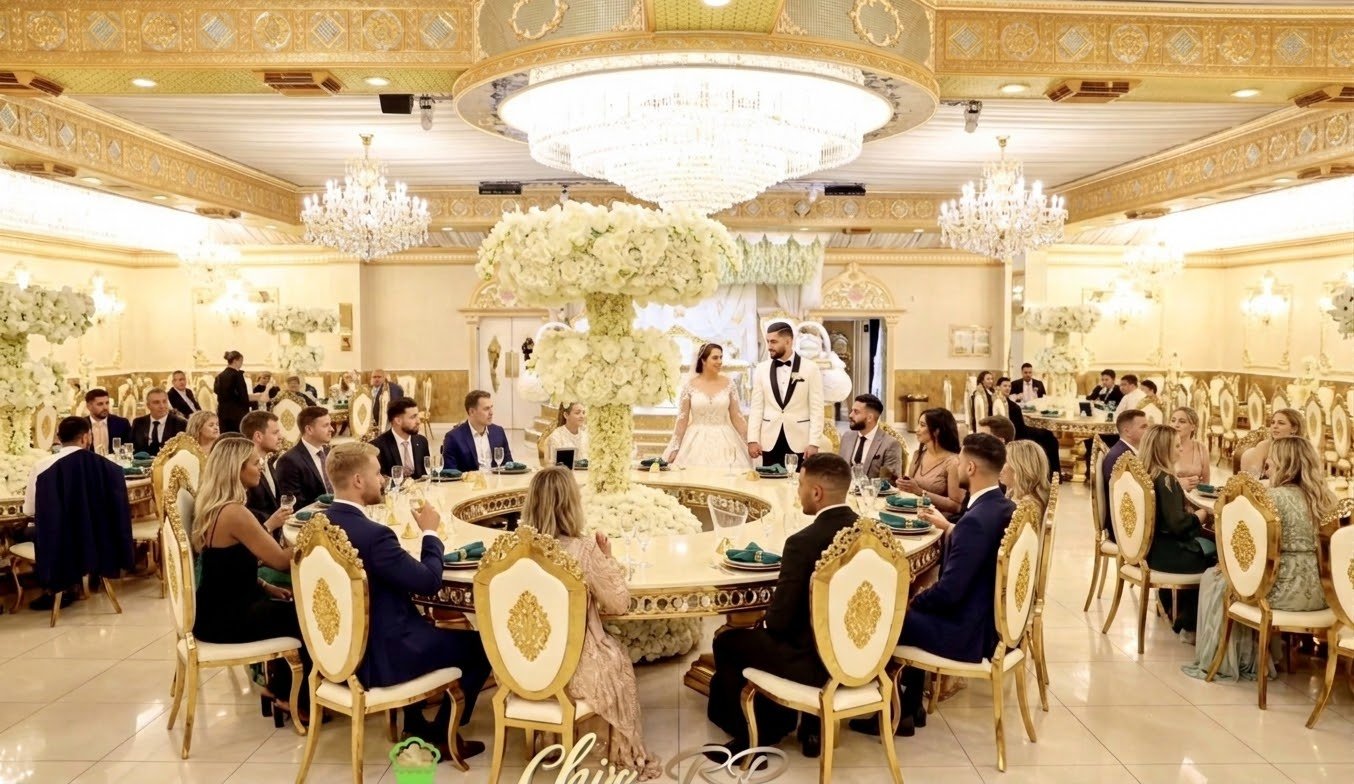
The moment you start comparing venues, one thing becomes clear fast – a beautiful room is not enough. The right wedding and reception venue has to do more than look polished in photos. It needs to support your guest count, fit your ceremony and reception plans, and give you room to create a celebration that feels personal rather than preset.
For many couples and families, that balance is harder to find than expected. Some venues feel formal but restrictive. Others offer space but not much atmosphere. The best choice usually sits in the middle: refined, functional, and flexible enough to work with your vision instead of pushing you into someone else’s template.
What makes a wedding and reception venue work
A strong venue does two jobs at once. It sets the tone for the event, and it handles the practical demands behind it. If either side is missing, you feel it quickly.
Style matters because your venue creates the backdrop for nearly every major moment – the ceremony, the first dance, family photos, the entrance, the toast, and the final sendoff. A classic, well-kept interior gives those moments a finished look before you add florals, lighting, or personal décor.
At the same time, logistics matter just as much. You need a layout that supports movement, seating, dining, entertainment, and transitions throughout the evening. Even the most elegant room can feel crowded or awkward if the floor plan does not match the flow of the event.
That is why flexibility tends to be one of the most valuable features in any reception space. An open layout gives you options. It allows you to shape the room around your priorities, whether that means a formal ceremony setup followed by a seated dinner, or a more social reception with a large dance floor and lounge-style seating.
Start with guest count, not décor
It is easy to fall in love with details first, but capacity should lead the decision. Your guest list affects almost everything: table spacing, ceremony arrangement, catering setup, dance floor size, vendor access, and the general comfort of the room.
A venue that holds up to 200 guests offers a practical range for many weddings and receptions in the Tampa area. It gives couples room to host a meaningful crowd without sacrificing comfort, and it gives families planning larger milestone celebrations enough flexibility to keep the event together in one space.
There is a trade-off here. A room that is too large can feel empty if the layout is not designed well. A room that is too small can make the night feel rushed and cramped. The better approach is to look for a venue that can be configured intentionally, so the space still feels full, elegant, and balanced at different guest counts.
Layout matters more than most people expect
When couples tour a venue, they often focus on finishes first. Flooring, lighting, windows, and architectural details all matter. But the layout is what determines whether the event feels smooth from start to finish.
A well-designed wedding and reception venue should allow for clear zones within the same event. You may need one area for the ceremony, another for guest dining, another for dancing, and enough room for entrances, gift tables, cake displays, or cultural traditions. If the room cannot adapt, the timeline becomes harder to manage.
This is especially important for celebrations that include multiple generations or blended traditions. A couple may want a formal ceremony, a grand reception entrance, and an open dance floor later in the evening. A family may also need room for specialty seating, musicians, or ceremonial elements. A flexible floor plan makes those choices easier without making the event feel crowded or overdesigned.
At Chic Venue Anderson, that kind of flexibility is part of the appeal. A large indoor setting with an open layout and lake views gives hosts the ability to create a celebration that feels elevated while still fitting the structure of their event.
Consider the full guest experience
A refined venue should feel good from the first arrival to the last dance. That experience is shaped by more than décor.
Think about what guests will notice. They will notice whether parking feels manageable. They will notice whether the room feels comfortable and spacious. They will notice whether the ceremony setup transitions naturally into the reception or whether there is confusion and downtime between moments.
They will also notice the atmosphere. Natural views, clean lines, and a polished interior make a difference because they create an immediate sense of occasion. That matters for weddings, but it also matters for engagement parties, rehearsal dinners, anniversaries, quinceañeras, and other milestone celebrations where the setting should feel worthy of the moment.
If your event includes older relatives, young children, or out-of-town guests, comfort becomes even more important. A venue should be easy to navigate and suited for a longer stay. Beauty gets attention first, but comfort is what guests remember when they talk about how the event felt.
Why versatility is a major advantage
Not every celebration follows the same format. Some couples want a traditional ceremony and formal seated reception. Others want a modern event with dramatic entrances, custom staging, or room for entertainment. Some families are planning a wedding weekend event that blends formal customs with contemporary style.
That is where versatility becomes more than a nice feature. It becomes a planning advantage.
A versatile venue gives you room to personalize without starting from scratch. You can create a clean, classic setting with minimal additions, or you can build a more detailed design with florals, linens, lounge seating, specialty lighting, and custom table layouts. The room should support both approaches.
This also matters for budget decisions. A naturally refined venue may require less decorating to achieve a polished result. That can free up budget for catering, entertainment, photography, or details that matter more to you. On the other hand, if your vision is highly customized, an adaptable room gives your vendors space to execute it well.
Questions worth asking before you book
The strongest venue decisions usually come from asking practical questions early. Ask how the space can be arranged for both ceremony and reception. Ask how many guests fit comfortably with dining and dancing included, not just the maximum standing capacity. Ask what is included with the rental and what needs to be brought in separately.
You should also ask how the venue supports event flow. Can the room transition smoothly from one part of the celebration to the next? Is there enough space for a sweetheart table, head table, DJ or band setup, and guest movement? If your event includes cultural traditions or formal presentation moments, can the layout support those comfortably?
These details may sound small at first, but they affect the feel of the entire event. A clear floor plan and realistic understanding of the space will help you avoid last-minute compromises.
The Tampa factor
In Tampa, venue choice often comes down to a mix of elegance, convenience, and indoor reliability. Weather can be unpredictable, especially when your event date falls during warmer or rain-prone months. That is one reason many hosts prefer an indoor venue that still feels open, scenic, and visually bright.
A spacious indoor setting with water views offers a strong middle ground. It gives you the comfort of climate control and the peace of mind of an indoor event while still providing the atmosphere people often want from a celebration space.
For local families and couples, convenience also matters. A centrally accessible venue can reduce stress for guests and vendors alike. When a space is easy to reach and easy to work within, the whole event tends to run better.
Choosing with the event in mind
The best venue is rarely the one with the most trends. It is the one that fits your event honestly. If you are hosting a larger guest list, you need room to move. If your celebration includes formal traditions, you need a layout that respects them. If you want an elevated look without an overly rigid setup, you need a venue that is both classic and adaptable.
That is the standard worth using as you compare your options. Look for a space that feels refined on its own, works well for real guest counts, and gives you freedom to shape the day around what matters most. When a venue can do all three, planning becomes clearer and the celebration feels more like yours.
A wedding should feel memorable for the right reasons, and the venue plays a larger role in that than most people expect. Choose a space that gives your event presence, comfort, and room to unfold naturally.