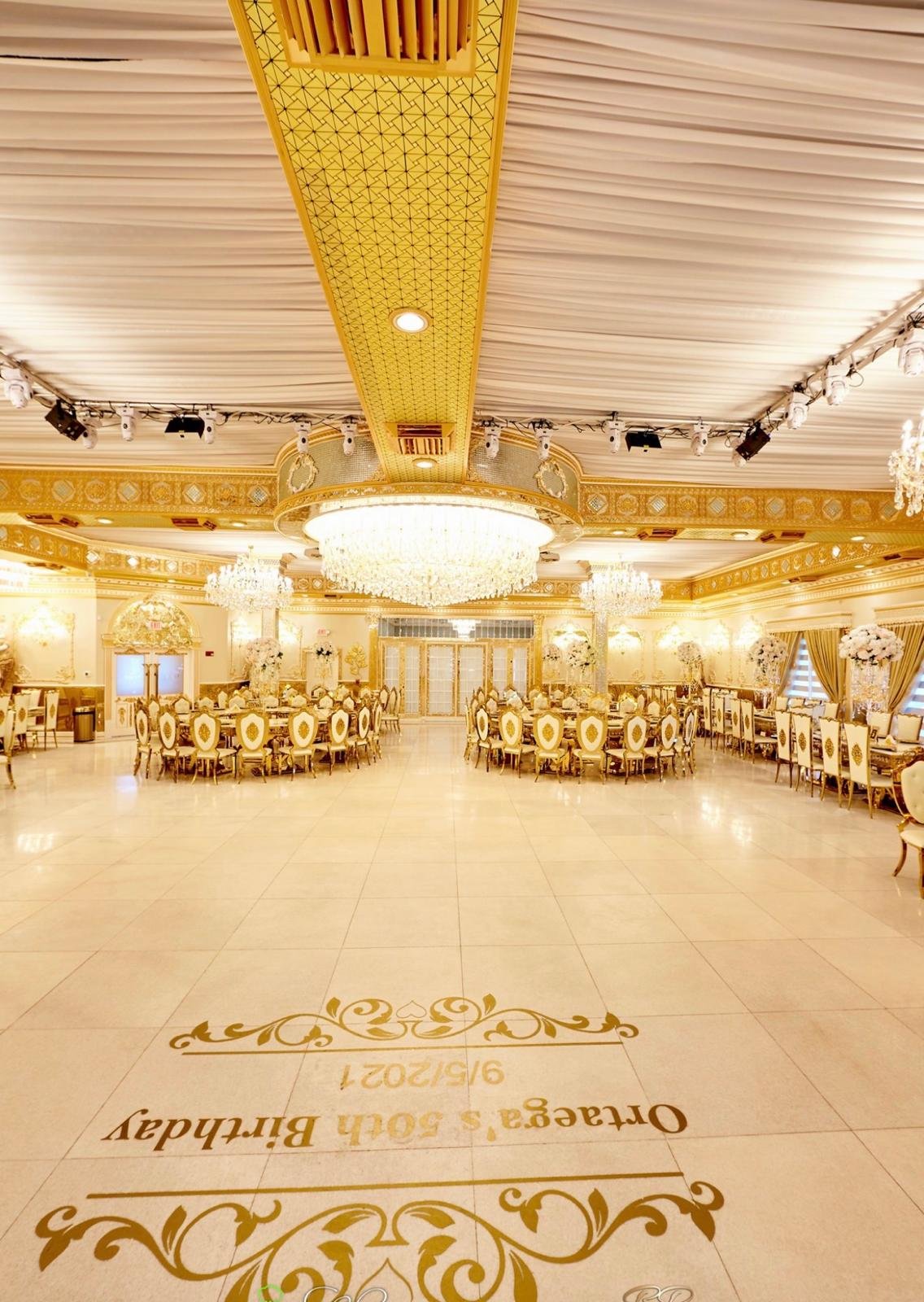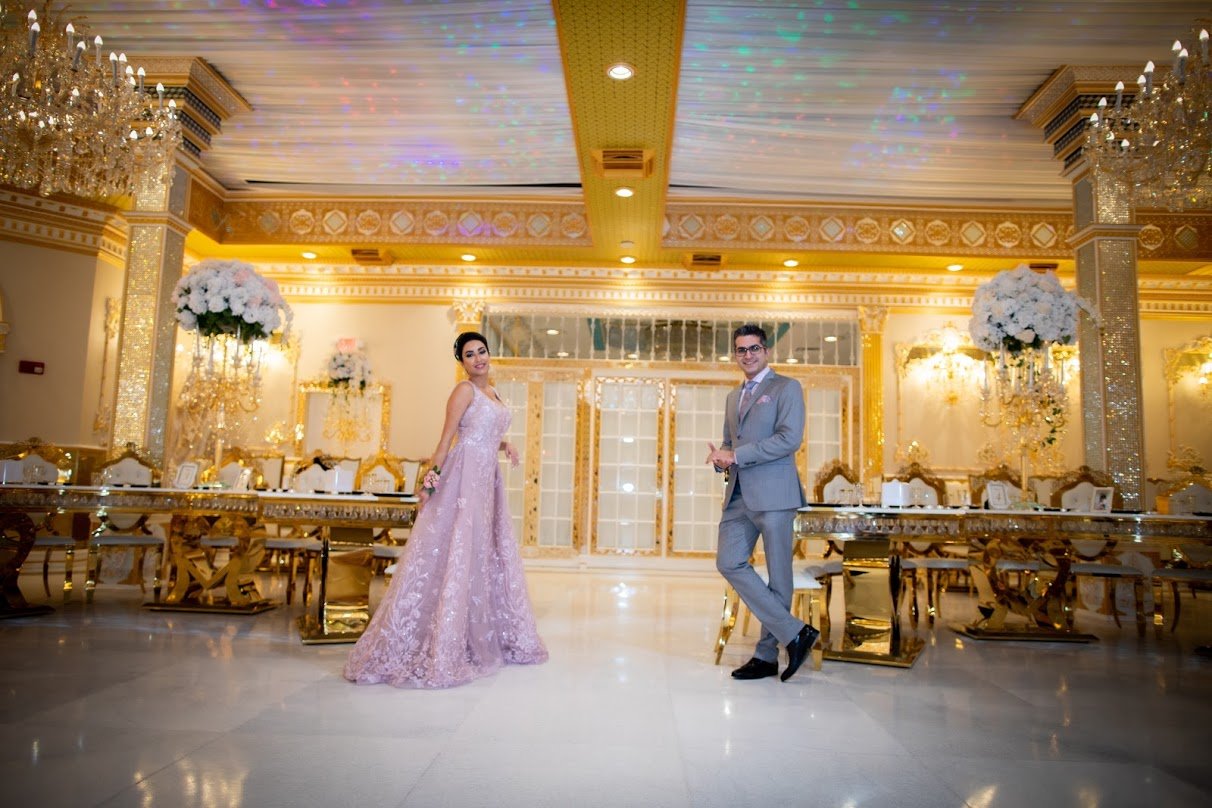
A guest list of 200 changes everything. At that size, the venue cannot simply look beautiful in photos – it has to function well from the first arrival to the last dance. If you are searching for a banquet hall for 200 guests, the right choice is usually the one that balances atmosphere, movement, and flexibility without making the celebration feel crowded or overstructured.
For weddings, quinceañeras, sweet sixteens, birthdays, private parties, and formal banquets, capacity is only the starting point. A room that technically fits 200 people may still feel tight once you add a dance floor, sweetheart table, DJ setup, buffet, dessert display, gift table, and photo moments. That is why the best venue decision comes down to how the space supports your event style, not just how many chairs it can hold.
What a banquet hall for 200 guests should actually offer
When hosts hear that a venue seats up to 200, the first question should be how that number works in real use. Some spaces reach 200 only with a very limited floor plan. Others can accommodate 200 while still giving you room for dining, celebration, and comfortable circulation.
A strong venue for this guest count should feel open, polished, and adaptable. You want enough square footage for guests to move naturally between seating areas, the dance floor, food service, and social spaces. If the room feels compressed, formal events can lose their elegance and high-energy celebrations can feel disorganized.
That is especially true for milestone events. A wedding reception may need a clear ceremony-to-reception transition. A quinceañera often needs a dramatic entrance, dance presentation, and family seating priorities. A banquet may require more structured table placement and better sight lines. The best halls support all of those needs without forcing every event into the same layout.
Size matters, but layout matters more
A large guest count does not always require a complicated room. In fact, many hosts do better with a spacious open floor plan than with multiple smaller sections. Open layouts give you more control over table arrangements, staging, traffic flow, and visual design. They also make it easier to tailor the room to the event rather than adapting your event to the room.
That flexibility becomes valuable quickly. Round tables create a more traditional banquet feel, but they take up more floor space. Long tables can look refined and modern, yet they change how guests interact and how servers move through the room. If you want a dance floor, lounge area, or head table focal point, each of those choices affects how the remaining square footage performs.
This is why floor plan review is one of the most practical parts of the booking process. Before reserving a venue, ask how 200 guests fit with your preferred setup. A room may be perfect for 200 at a banquet-style dinner but less comfortable for 200 with oversized decor pieces, staged entertainment, or separate activity zones.
Style should feel elevated, not restrictive
For many families and couples, appearance is what starts the search. They want a venue that feels refined enough for a meaningful celebration but versatile enough to reflect their own taste, traditions, and color palette. That balance matters.
A classic interior usually gives you more freedom than a highly themed space. Clean lines, polished finishes, and an elegant setting allow formal weddings, black-tie banquets, quinceañeras, and private parties to each feel distinct. You are not fighting the room to create your vision.
That is where a venue like Chic Venue Anderson stands out in a practical way. A spacious indoor setting with a refined look and flexible layout gives hosts room to personalize major events without sacrificing the polished atmosphere people expect when they walk in. For 200 guests, that combination is not just attractive – it is useful.
The logistics guests notice right away
Even the most beautiful room can fall short if the event experience feels difficult. At 200 guests, logistics become part of the atmosphere. People notice where they park, how they enter, whether they can move comfortably, and how long it takes to reach food, seating, or restrooms.
Parking is one of the first details to confirm. If guests are arriving in formalwear, bringing children, or attending a multigenerational family event, convenient access matters. The same goes for entry flow. You want a venue that can welcome a larger group without bottlenecks at the door or awkward waiting areas.
Sight lines are another overlooked detail. In a room for 200, guests should still be able to see important moments clearly. Whether that is a first dance, grand entrance, toast, candle ceremony, or birthday presentation, the room should help guests feel included. Columns, narrow sections, or disconnected side spaces can weaken that experience.
Questions to ask before booking a banquet hall for 200 guests
The smartest venue questions are the ones that reveal how the space works on your event day. Ask to see example layouts for 200 guests, especially for events similar to yours. A wedding setup may look very different from a quinceañera or banquet arrangement.
You should also ask what is included with the rental. Tables, chairs, setup windows, cleanup expectations, and vendor access can all affect your planning. If the venue is flexible, confirm how much freedom you have to arrange the room around your priorities.
It also helps to ask about timing. Larger events need more coordination, and a rushed setup can create unnecessary stress. A venue that supports event flow before guests arrive is often easier to work with than one that only looks good once the room is fully staged.
Finally, consider the atmosphere at full capacity. Some venues look impressive when empty but feel tight once populated. Others maintain a sense of openness and comfort even when every table is filled. If possible, review real event visuals that show the room in use, not just styled promotional shots.
Different events use space differently
Not every celebration with 200 guests needs the same kind of room behavior. That is why flexibility should rank high on your checklist.
For weddings, many couples want a setting that can feel romantic and formal while still leaving room for dancing and reception details. For quinceañeras and sweet sixteens, the room often needs to support big entrances, entertainment, and family-centered moments without losing elegance. For birthdays and private parties, hosts may want a more social layout with open movement and stronger emphasis on music or mingling.
Banquets often require the most balance. They need a refined presentation, practical seating, and enough room for service and speeches. If the layout is too tight, the event can feel purely functional. If it is too spread out, the energy can fade. A well-sized venue with an adaptable floor plan helps solve that tension.
Why flexibility often saves the event
Hosts often begin the process focused on decor, but flexibility is what protects the event when plans shift. Guest counts change. Vendors need more room than expected. A photo backdrop looks larger in person. A family wants to add a sweetheart table, a dessert station, or a dedicated gift area.
A rigid hall can turn small adjustments into major problems. A flexible space gives you options without sacrificing the overall look. That matters even more with multicultural and multigenerational celebrations, where traditions, seating priorities, and event timing may be more customized than standard packages allow.
In Tampa, where families often want a venue that can feel both formal and personal, adaptability is not a bonus feature. It is part of what makes an event run well. A refined room with an open layout gives hosts the freedom to create a celebration that feels true to the occasion.
Make the decision based on the full guest experience
The best banquet hall is not simply the one that fits 200 people on paper. It is the one that allows 200 guests to celebrate comfortably in a setting that feels polished, welcoming, and thoughtfully arranged. That means looking beyond capacity and paying attention to layout, movement, atmosphere, and how easily the space can reflect your event vision.
When a venue gets those details right, the room feels effortless. Guests settle in, the schedule flows, and the setting supports the moment rather than competing with it. If you are choosing a banquet hall for 200 guests, look for a space that gives your celebration room to feel both elevated and personal – because the most memorable events need both.