You usually know a wedding venue is wrong before you know exactly why. The room feels cramped. The layout fights your timeline. The style is beautiful in photos but off for your guest list, your ceremony, or the kind of celebration you actually want. If you are figuring out how to choose wedding venue options in Tampa Bay, the right decision starts with one question: will this space support both the feeling and the flow of your day?
That balance matters more than couples expect. A wedding venue is not just a backdrop. It shapes how guests arrive, where they gather, how your ceremony transitions into the reception, and whether the evening feels relaxed or rushed. A refined space can elevate the entire event, but only if it also works practically for your guest count, your vendors, and your vision.
How to Choose Wedding Venue Based on Guest Count
Start with the number that affects almost every other decision: your guest list. Many couples tour venues too early, before they have even a rough estimate, and that makes it hard to judge whether a space truly fits. A room that feels open and elegant for 120 guests may feel sparse for 70 or tight for 180 once you add a dance floor, sweetheart table, buffet or bar, and vendor setup.
Capacity is not just about the maximum number a venue can hold. Ask what that number looks like for a wedding specifically. There is a difference between standing capacity and a comfortable seated celebration. You want to know how many guests can fit while still leaving room for a ceremony setup, cocktail area, dining tables, and movement throughout the event.
This is where flexibility becomes especially valuable. A venue with an open floor plan gives you more control over how the room is arranged around your priorities. If a large dance floor matters, the layout should support it. If you want a formal head table and generous guest seating, the room should make that feel intentional rather than squeezed in.
Style Should Match Your Wedding, Not Compete With It
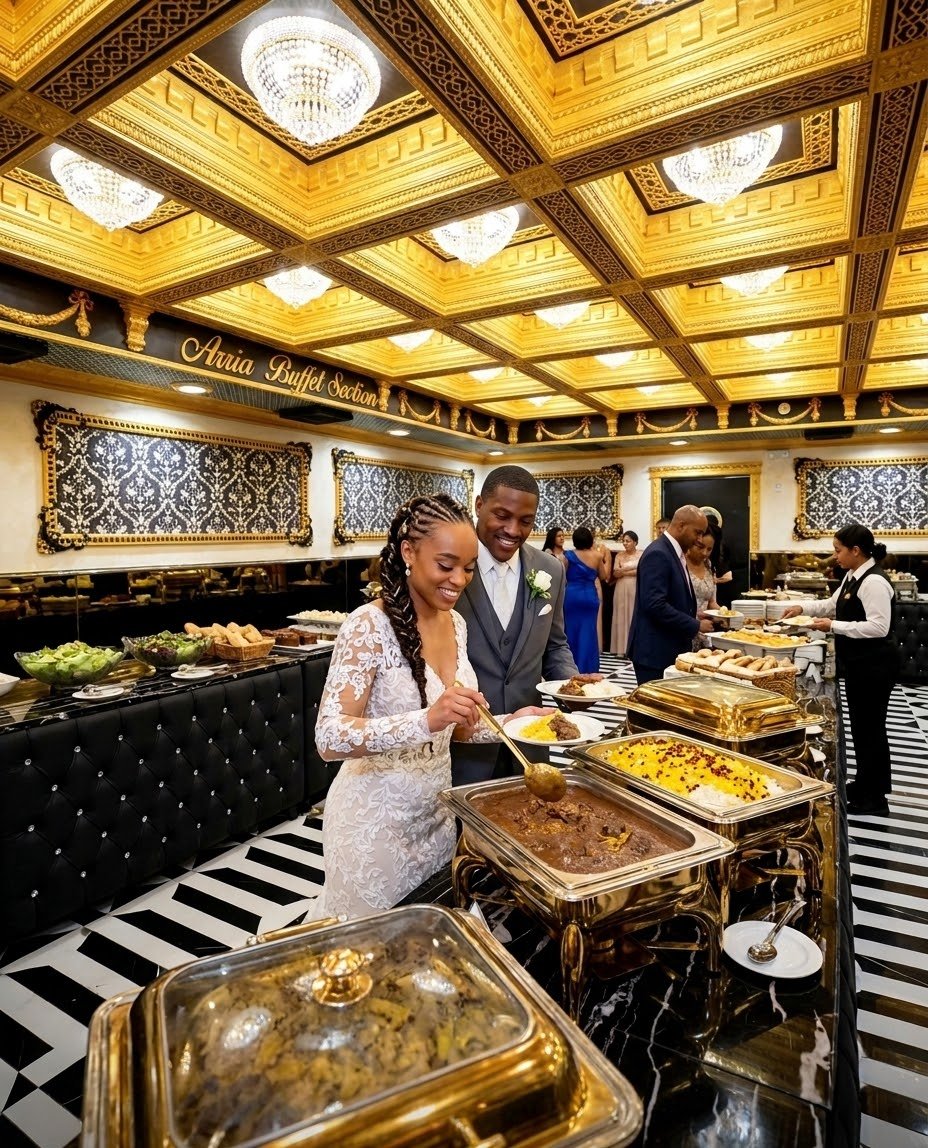
A venue should complement your wedding style, not force you to redesign your event around the room. Some spaces are so themed or visually specific that they limit your choices. Others offer a more classic, refined setting that works across a range of aesthetics, from formal and romantic to modern and culturally traditional.
When you tour, look beyond decor details that can be changed. Focus on the architecture, lighting, ceiling height, windows, and overall atmosphere. Those are the elements that will define the experience in person and in photos. A polished interior with clean lines and an elegant feel usually gives you more freedom than a space with strong built-in design features that cannot be softened or adapted.
It also helps to think about your full wedding day, not just one moment. A room may look lovely for a ceremony, but does it still feel special once tables, catering stations, and entertainment are added? The most successful wedding venues feel beautiful in every phase of the event.
Budget Is More Than the Rental Rate
One of the biggest mistakes couples make is choosing a venue based only on the initial rental price. The real question is what the space allows you to accomplish within your total budget. A lower-priced venue can become more expensive if it requires extra rentals, complicated setup, outside equipment, or heavy decorating just to feel complete.
As you compare venues, ask what is included and what is not. Tables, chairs, setup time, cleanup expectations, dressing areas, parking, and vendor access all affect value. Even simple details can change your budget quickly. If the venue layout already supports both ceremony and reception in one place, that may save money and reduce stress compared with moving guests between locations.
A well-designed venue often delivers value through convenience and adaptability. If the room already feels elevated, you may not need as much decor to create a finished look. If the floor plan is versatile, you can prioritize the elements that matter most to you instead of spending to work around limitations.
Think Through the Floor Plan Early
The floor plan deserves more attention than it usually gets. Couples often focus on the entrance, the chandelier, or the photo backdrop, but the layout is what determines whether the event feels smooth from start to finish.
Picture each part of the celebration in order. Where will guests enter? Where will the ceremony take place? How quickly can the room transition into the reception if needed? Is there a natural place for cocktail hour, dining, dancing, and cake cutting? If you are hosting cultural traditions or family-centered moments that need space and visibility, make sure the layout can support those comfortably.
This is especially important for weddings with medium-to-large guest counts. A beautiful venue should still allow people to move easily, see key moments, and stay connected to the celebration. In a versatile event space, you can shape the room around your priorities instead of forcing your plans into a fixed arrangement.
Location and Logistics Matter More Than Couples Expect
Even the most elegant venue can create stress if the logistics are difficult. That does not mean you need the most central location possible. It means the venue should be practical for your guests, vendors, and timeline.
Consider drive time, parking, accessibility, and nearby accommodations if you have out-of-town family attending. Think about how easy it is for florists, DJs, photographers, and caterers to load in and set up. Ask about timing restrictions, vendor access windows, and how early you can arrive on the day of the event.
A venue with a convenient location and straightforward event flow helps the day feel more relaxed. That is especially valuable when you are coordinating multiple family members, a wedding party, and several vendors at once. In the Tampa area, many couples are also balancing weather considerations, traffic patterns, and guest travel across different parts of the region, so practical access should not be an afterthought.
Ask How the Space Handles Your Specific Wedding Vision
Not every wedding follows the same format, and your venue should be able to support the kind of event you actually want to host. Maybe you want a traditional ceremony followed by a formal seated reception. Maybe you want a lively celebration with a large dance floor and family-style energy. Maybe your wedding includes cultural customs that need extra room, special timing, or a flexible setup.
This is where clear questions matter. Ask how the venue can be configured. Ask to see sample floor plans. Ask what types of celebrations the space handles especially well. A venue that regularly accommodates milestone events often understands that no two gatherings use the room in exactly the same way.
At Chic Venue Anderson, for example, the appeal is not only the refined atmosphere but the ability to shape a large indoor space around different celebration styles. That kind of flexibility is valuable for couples who want the room to reflect their priorities rather than a preset formula.
Pay Attention to the Feeling During the Tour
There is a practical side to venue selection, but there is also instinct. When you tour a space, notice how clearly you can picture your wedding there. Can you imagine the ceremony setup, the first dance, the family photos, the energy of the room once guests arrive? Or are you spending the entire visit trying to solve problems?
Confidence matters. A good venue tour should leave you with clearer answers, not more confusion. You should understand what the space offers, what the layout can do, and whether the atmosphere aligns with the occasion you are planning. If a venue is elegant, functional, and adaptable, that confidence comes more easily.
You should also pay attention to how well the venue team communicates. Are they responsive, organized, and direct about what is included? Do they understand the scale and style of event you are planning? A beautiful space is important, but reliability is part of what makes a venue feel wedding-ready.
The Best Choice Balances Beauty and Function
When couples ask how to choose wedding venue options wisely, the answer is rarely about one standout feature. It is usually about balance. The best venue is the one that looks refined, fits your guest count, works with your budget, and gives your wedding room to unfold naturally.
That means being honest about what matters most. If atmosphere is your top priority, choose a space with classic style that does not need much added. If logistics are critical because you are hosting a larger guest list, focus on layout and flow. If personalization matters, look for a venue flexible enough to support your traditions, design choices, and timeline.
A wedding venue should make your celebration feel more possible, not more complicated. Choose the space that gives your day structure, beauty, and breathing room – and you will feel the difference from the first guest arrival to the last song of the night.