You find a venue you love, ask for pricing, and see a line item called a site fee. For many couples, that is the moment the budget starts to feel less clear. If you are wondering what is a site fee for a wedding venue, the short answer is this: it is the cost to reserve and use the venue itself, separate from many of the other services and wedding expenses tied to your event.
That sounds simple enough, but site fees can mean slightly different things from one venue to another. The details matter. A refined, flexible venue may include much more in that fee than a basic rental hall, while another space may charge a lower fee up front and add essential costs later. Understanding the difference helps you compare venues fairly and plan with fewer surprises.
What is a site fee for a wedding venue?
A site fee is the amount a venue charges for access to its property or event space for a specific date and time. In most cases, it covers the physical use of the venue rather than the full cost of your wedding.
Think of it as the foundation of your venue pricing. You are paying to host your celebration in that setting, whether that means an elegant indoor ballroom, a lakefront event room, or a flexible open layout that can be arranged around your guest count and style.
The reason site fees vary so widely is that venues themselves vary widely. A large, polished event space with strong presentation, convenient guest flow, parking, dressing areas, and a versatile floor plan will often command a different fee than a smaller or more limited location. The fee reflects not only square footage, but also the overall event experience the venue makes possible.
What a wedding venue site fee usually includes
This is where couples need to read carefully. A site fee often includes the right to use the space for your ceremony, reception, or both, along with a set rental window. That window may include setup and breakdown time, though not always.
Many venues also bundle practical elements into the site fee, such as tables, chairs, standard cleaning, on-site parking, climate-controlled indoor space, and access to certain rooms before the event. Some include basic staffing for venue operations or coordination tied to the property itself.
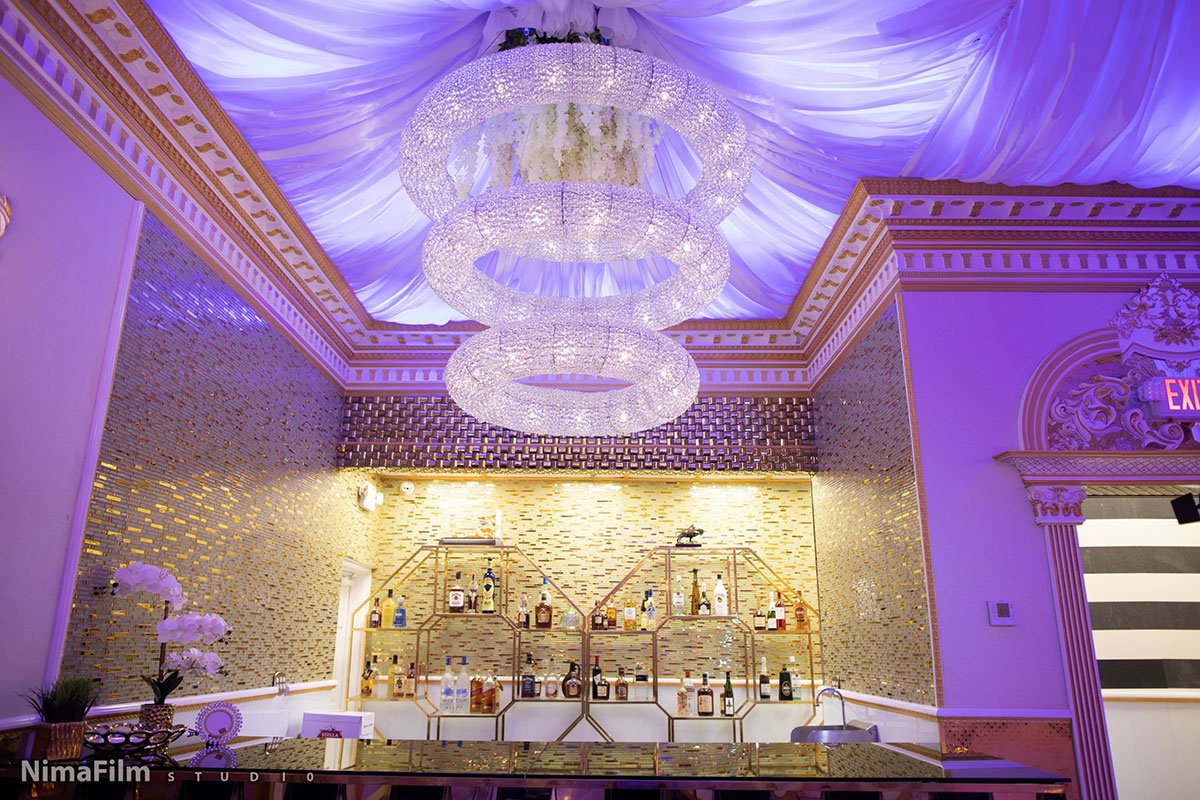
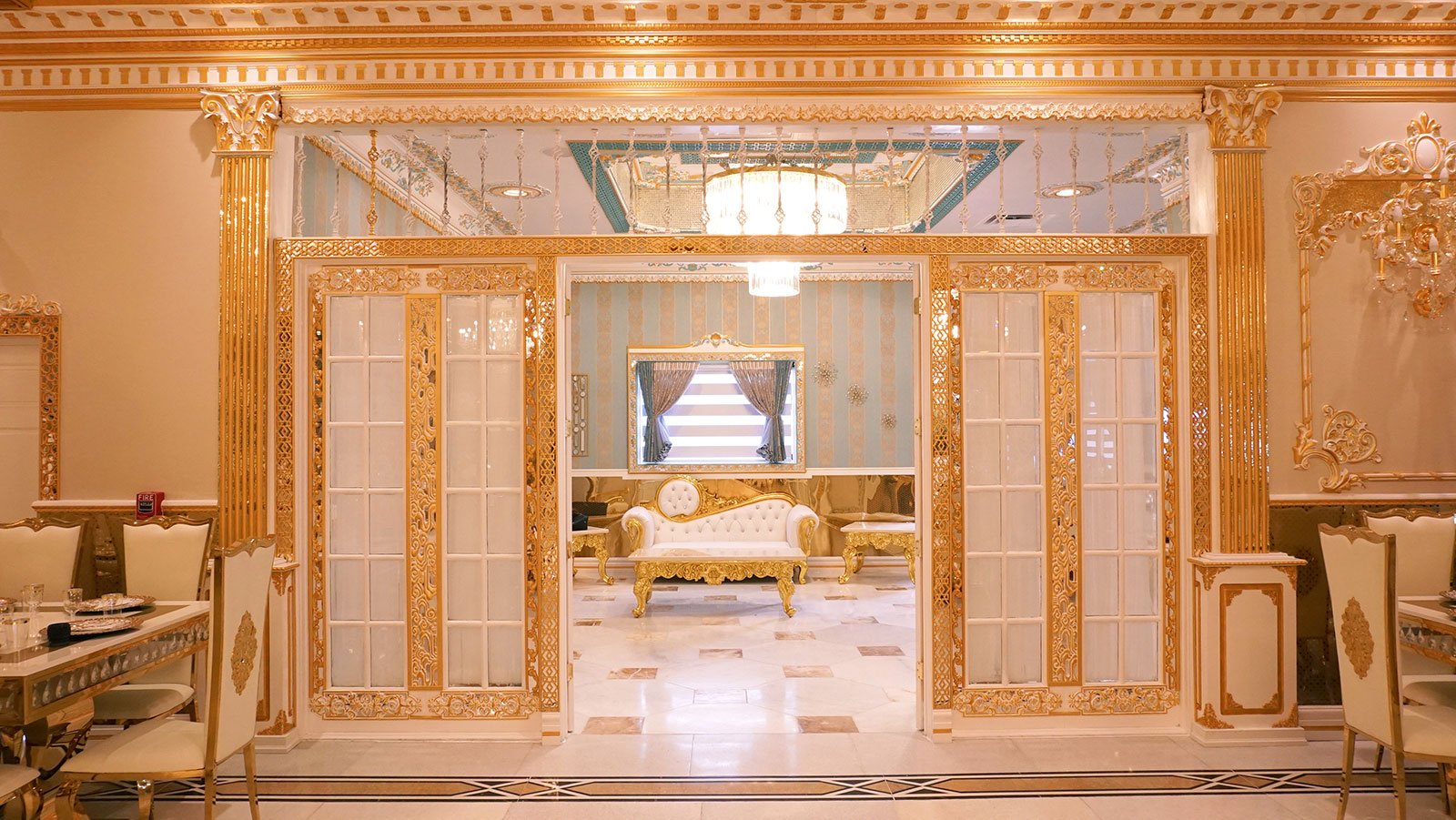
At a well-appointed venue, the site fee may also reflect built-in value that is easy to overlook at first. Features like a spacious layout, attractive architectural details, scenic views, private entry experience, and flexibility for different event formats all affect what you are really getting. For weddings, that kind of versatility matters because your ceremony, cocktail hour, dinner, and dancing may each need the room arranged differently.
What the site fee usually does not cover
A common misunderstanding is assuming the site fee covers the full wedding package. In many cases, it does not.
Food and beverage are often separate. So are alcohol service, upgraded rentals, floral design, entertainment, photography, transportation, and specialty lighting. Depending on the venue, you may also pay separately for security, extended hours, ceremony setup, bridal suite access, audiovisual support, or vendor management.
This is why a lower site fee does not always mean a lower total cost. One venue may quote a modest rental fee but leave you to source nearly everything else. Another may have a higher site fee while including furnishings, a longer rental period, and support features that reduce outside rental costs. The smarter question is not just, How much is the site fee? It is, What does that fee actually give me?
Why venues charge a site fee
From a customer perspective, the fee reserves the date. From the venue perspective, it protects the value of a limited asset. A Saturday evening during peak wedding season can only be booked once.
The site fee helps cover the venue’s operating costs, maintenance, staffing, utilities, cleaning standards, and the wear that comes with hosting milestone events. It also reflects demand. Prime dates, high-demand months, and popular celebration times usually carry higher pricing because those dates are more competitive.
There is also a practical reason couples should appreciate clear site-fee pricing. It creates a starting point. When the venue lays out its rental structure clearly, you can build the rest of your budget around a known number instead of guessing.
What affects the site fee for a wedding venue?
Several factors shape site-fee pricing, and they are not always obvious at first glance.
Date is a major one. Saturdays in spring and fall often cost more than Fridays, Sundays, or weekday weddings. Time of day matters too. An evening reception may be priced differently than a daytime ceremony and brunch.
Guest count can also influence pricing, especially if your event requires a larger room configuration, more setup labor, or additional venue resources. Then there is the venue itself. A spacious, refined setting designed for milestone celebrations often offers a different level of presentation and flexibility than a one-size-fits-all event room.
Location plays a role as well. In a market like Tampa, couples are not just paying for indoor square footage. They are also weighing accessibility, convenience for guests, surrounding views, and whether the space feels polished enough for a once-in-a-lifetime occasion.
Finally, the inclusions matter. A site fee attached to a clean, classic, event-ready space with useful amenities may deliver better value than a lower fee attached to a venue that requires significant outside rentals and extra coordination.
How to compare site fees without getting misled
The best way to compare wedding venue pricing is to stop looking at a single number in isolation. Ask each venue for a complete breakdown of what is included, what is optional, and what is required.
Start with the rental window. How many hours do you actually get in the space? Does that include setup, vendor arrival, rehearsal time, and breakdown? Then ask about furniture, staffing, cleaning, ceremony arrangements, and access to private suites or staging areas.
After that, ask what vendors you are allowed or required to use. A venue with a slightly higher site fee may still save you money if it gives you flexibility, includes essentials, and reduces the need for additional rentals. On the other hand, a venue with a lower fee may become more expensive once you add everything needed to make the event function smoothly.
This is especially important for larger weddings and culturally significant celebrations, where floor plan flexibility, guest flow, and room transitions matter. A beautiful space that adapts to your event often creates value beyond the basic rental line.
Questions to ask about a wedding venue site fee
Before you book, ask direct questions. Does the site fee include both ceremony and reception use, or only one? Are tables and chairs included? Is there an on-site manager during the event? What time can vendors enter? What happens if the event runs over?
You should also ask whether the fee changes by season, day of week, or guest count. If there are service charges, damage deposits, or mandatory add-ons, those should be clear before you sign anything.
A polished venue should be able to explain its pricing with confidence. Clear answers are a good sign that the venue is organized, experienced, and ready for the kind of event you are planning.
Is a higher site fee worth it?
Sometimes yes, and sometimes no. It depends on what you value most.
If your priority is a beautiful, adaptable setting that feels elevated from the moment guests arrive, a higher site fee may be worth every dollar. The same is true if the venue includes meaningful conveniences that simplify planning and support the flow of the event.
If your budget is tighter, a lower site fee can work well, but only if you understand the trade-offs. You may need to bring in more rentals, manage more vendors, or accept limitations in layout, timing, or guest experience.
For many couples, the best choice is not the cheapest venue or the most expensive one. It is the one that offers the right balance of style, flexibility, capacity, and clarity.
At a venue like Chic Venue Anderson, where space, presentation, and adaptability are central to the experience, the value of the site fee is often tied to how well the setting supports the full celebration, not just how it looks in photos.
When you see the words site fee on a wedding quote, treat them as the start of the conversation, not the end of it. The right venue will make that number easy to understand and even easier to connect to the celebration you have in mind. That kind of clarity is worth looking for from the very beginning.