

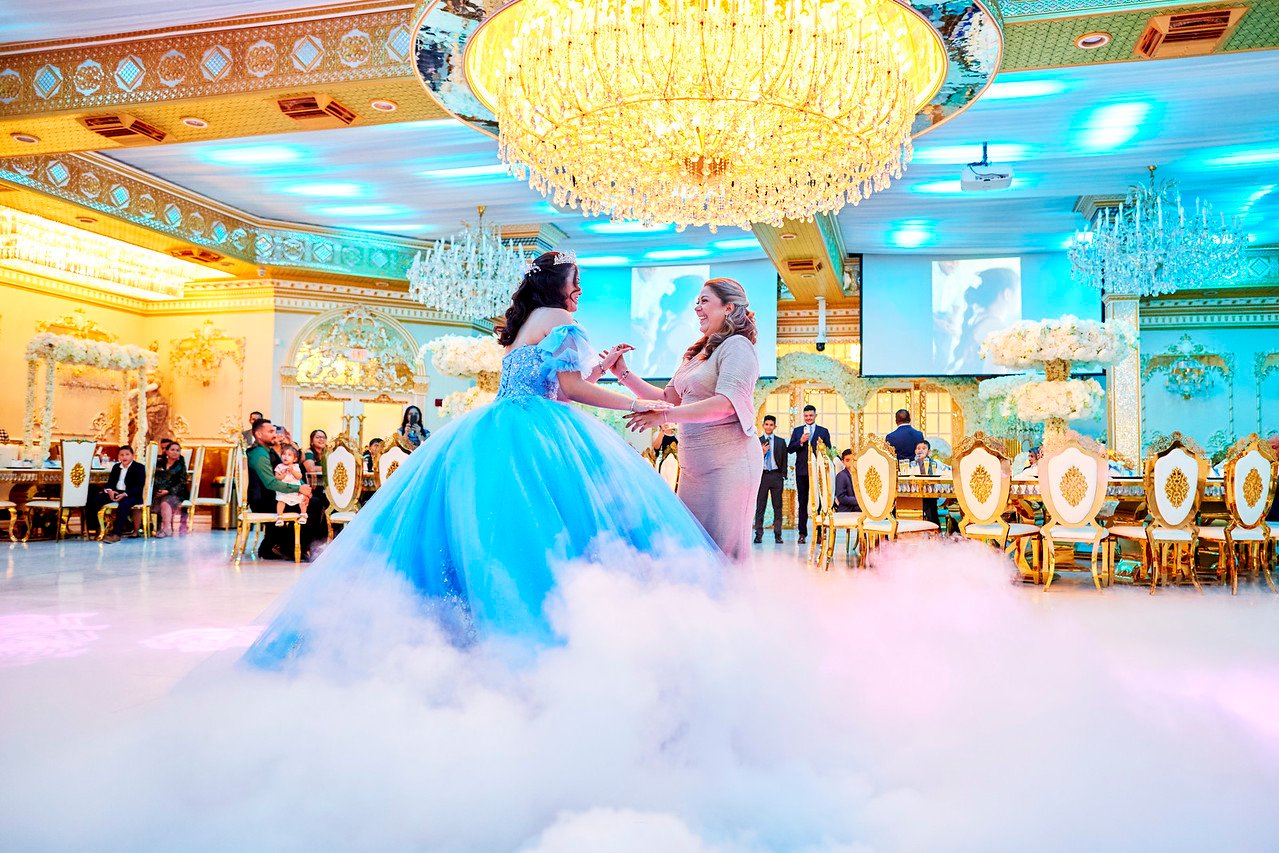
The reception is where a quinceañera stops feeling like a schedule on paper and starts feeling like a celebration. If you are figuring out how to plan quinceanera reception details, the goal is not simply to fill a room. It is to create a setting that feels elegant, joyful, and easy for guests to enjoy while keeping the honoree at the center of the night.
A well-planned reception balances tradition, family expectations, and modern style. Some families want a formal grand entrance, choreographed dances, and a full dinner service. Others prefer a more relaxed party atmosphere with lounge seating, a DJ, and a strong dance floor focus. Both can work beautifully. The best reception plan is the one that matches your guest count, your priorities, and the way your family celebrates.
Start with the reception vision
Before choosing decorations or menu items, define what kind of experience you want guests to have. A quinceañera reception can feel classic and formal, lively and modern, or somewhere in between. That choice affects almost everything else, from floor plan to lighting to how long guests stay seated.
Think about the moments that matter most. For some families, the ceremony and traditions carry the emotional weight, so the reception should feel polished and supportive, with room for dinner, speeches, and the waltz. For others, the party is the highlight, and the room needs to shift quickly into celebration mode with space for dancing, photos, and movement.
This is also the time to decide how much structure you want. A tightly managed evening can feel refined and keep things on schedule, but it may feel rushed if your family enjoys long conversations and spontaneous moments. A looser format feels relaxed, though it can create delays if no one is guiding transitions.
Choose a venue that supports the flow
When families ask how to plan quinceanera reception logistics, venue layout is usually where the real answer begins. The room has to do more than look beautiful. It needs to support arrivals, dining, dancing, photos, and family interaction without feeling cramped or disorganized.
A flexible venue is especially helpful for quinceañeras because these events rarely use space in just one way. You may need a dramatic entrance path, a head table, guest dining tables, space for a court presentation, an open dance floor, gift placement, dessert display, and room for vendors to work smoothly. If the floor plan is too rigid, every later decision becomes harder.
For larger guest counts, pay attention to sightlines and circulation. Guests should be able to see key moments without crowding the center of the room. They should also be able to move between tables, buffet or bar stations, and the dance floor without bottlenecks. A refined venue with an adaptable layout makes that easier, especially for milestone celebrations where both presentation and function matter.
Build the timeline around the key moments
A strong reception timeline keeps the evening polished without making it feel overproduced. Start with the anchor moments: grand entrance, meal service, blessing or toast, traditional dances, cake cutting, and open dancing. Then arrange them in an order that feels natural for your family and guest energy.
In many quinceañeras, guests are most attentive early in the reception. That makes the first hour ideal for formal entrances, welcome remarks, and meaningful traditions. Dinner often works best soon after, while guests are still settling in. Once the meal and major formalities are complete, the atmosphere can open up into dancing and social time.
Timing matters more than many families expect. If speeches happen too late, guests may be distracted. If the dance floor opens too early, older relatives may leave before key traditions happen. If dinner runs long, the night can feel compressed. A practical rule is to protect the most important cultural and family moments first, then build the party around them.
Plan seating with family dynamics in mind
Reception seating is not just a numbers exercise. It shapes comfort, conversation, and how smoothly the evening moves. Start with the tables that matter most: immediate family, grandparents, padrinos, and close family friends. Place these guests where they can easily see the entrance, dance floor, and head table.
Then think about the overall room balance. If all active guests are clustered on one side, the room can feel uneven. If older relatives are seated too close to speakers, comfort becomes an issue. If children are spread randomly, parents may spend the night moving around instead of enjoying the event.
Assigned seating can feel more formal, but it usually prevents confusion and helps dinner service. Open seating feels easier at first, yet it can create awkward gaps or force late arrivals into scattered spots. For larger receptions, a seating chart is often the more polished choice.
Food and service should match the pace of the evening
A quinceañera menu should feel generous, but it also needs to work with your timeline. A plated meal creates a classic, refined atmosphere and keeps tables orderly. A buffet offers more variety and can be easier for large groups with diverse tastes. Family-style service feels warm and communal, though it requires enough table space and a coordinated catering team.
There is no single right choice. It depends on guest count, budget, and the overall formality of the event. If your reception includes many traditional dances and scheduled moments, plated service can make timing easier. If your priority is a lively, social atmosphere, buffet service may give guests more flexibility.
Do not overlook practical details like when beverages will be served, how dessert fits into the evening, and whether guests will have time to eat before dancing begins. Beautiful food presentation matters, but smooth service matters more.
Decor should frame the celebration, not crowd it
Decor is often one of the most exciting parts of planning, but it works best when it supports the room rather than competing with it. A quinceañera reception already has many visual focal points – the gown, the court, the cake, the sweetheart or head table, and the dance floor. The decor should connect those elements into one cohesive look.
Begin with a clear palette and one or two statement features. That might be elegant linens and centerpieces with a dramatic backdrop, or soft florals paired with clean lighting and a beautifully styled entry area. When every table has a different design idea, the reception can start to feel busy instead of refined.
Scale matters too. In a spacious venue, undersized decor can disappear. In a crowded floor plan, oversized installations can restrict movement. The strongest designs are usually the ones that photograph well and still leave the room comfortable for guests.
Music, dancing, and energy shifts
The emotional rhythm of the night often depends on music. Whether you choose a DJ, live band, or a combination, they should understand which moments need elegance and which should feel high energy. The grand entrance, father-daughter dance, surprise dance, and open dance floor all ask for different pacing.
It helps to think of the reception in phases instead of one continuous party. Early music should welcome guests and support formal moments. Mid-evening music can build momentum around dances and cake cutting. Later, the playlist should broaden to keep multiple generations engaged.
This is one area where family preferences really matter. A playlist built entirely around teen favorites may lose older relatives. A fully traditional set may not keep younger guests on the floor. The best receptions usually blend both, with planned moments that honor tradition and open dancing that keeps the room lively.
Leave room for photos and transitions
One common planning mistake is packing the timeline so tightly that no one has room to breathe. Quinceañeras generate a lot of photos, family greetings, and spontaneous moments. If every minute is assigned, the reception can start to feel rushed.
Build in short transition windows between the biggest moments. That gives the honoree time to freshen up, lets photographers gather family members, and allows catering or entertainment teams to reset for the next part of the evening. These gaps do not need to be long, but they do need to exist.
A versatile space helps here too. When the room can shift smoothly from dinner to dancing without a major disruption, the celebration feels more polished. At Chic Venue Anderson, for example, the value of an open, adaptable layout is that families can shape the space around the event instead of adjusting the event around fixed limitations.
Keep the planning centered on what guests will feel
The most memorable receptions are not always the ones with the biggest budget. They are the ones where guests feel welcomed, the honoree feels celebrated, and the evening moves with confidence. That comes from practical planning as much as visual style.
If you are deciding how to plan quinceanera reception details, keep asking a simple question: what will this choice feel like in the room? Will guests know where to go? Will they be able to see the important moments? Will dinner, dancing, and traditions flow naturally? When those answers are clear, the reception feels elevated and effortless.
A quinceañera only happens once. Plan the reception with enough structure to keep it graceful, enough flexibility to handle real life, and enough heart to let the celebration shine.

