

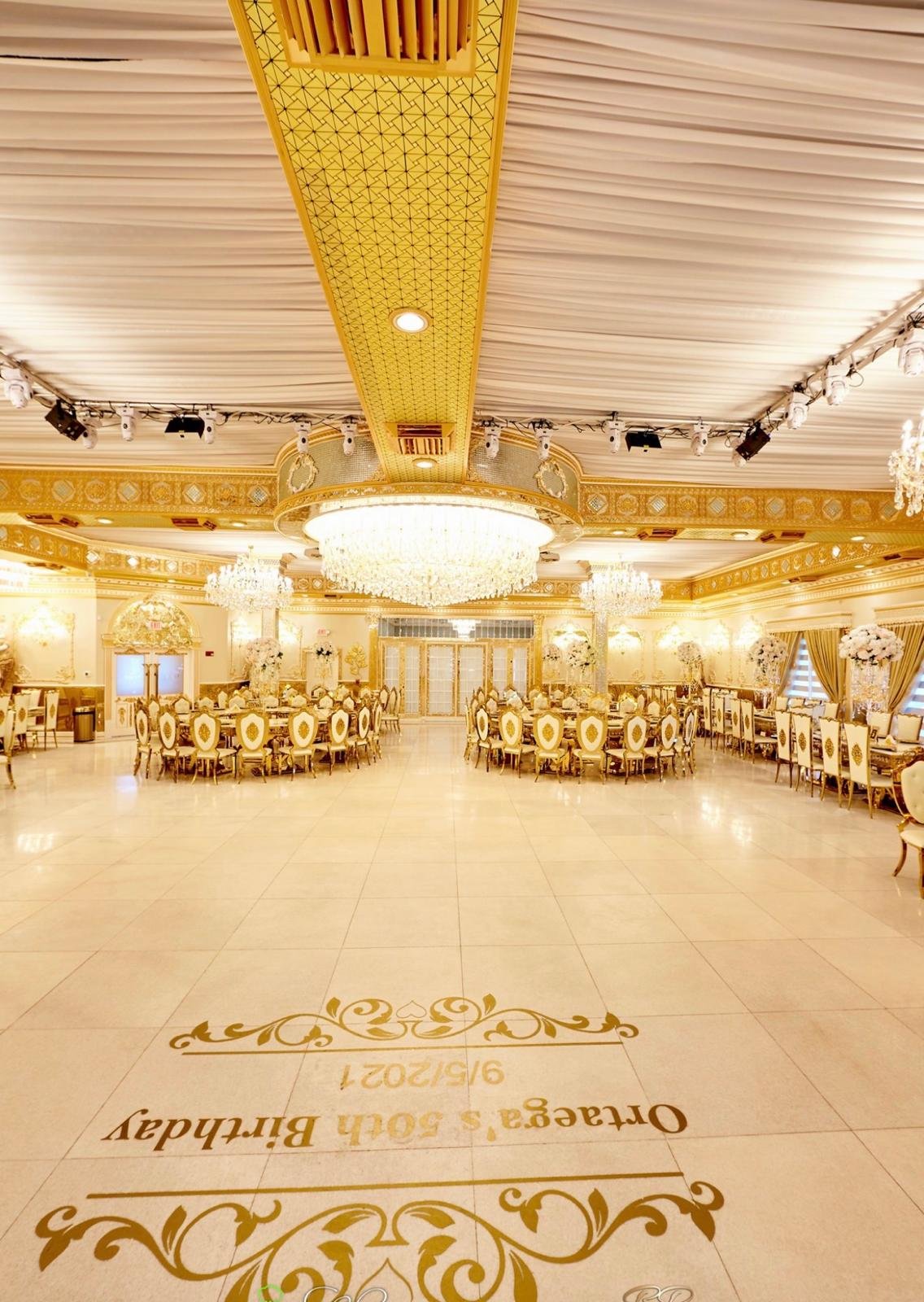
A 40th, 50th, 60th, or 75th birthday deserves more than a dinner reservation and a cake on the table. Knowing how to organize milestone birthday celebrations starts with deciding what the moment should feel like: an elegant family gathering, a lively dinner and dance party, a formal banquet, or a relaxed celebration where generations can reconnect.
The best events do not try to do everything. They create a clear experience for the guest of honor, then shape each decision around it. From the guest list and venue to music and menu timing, thoughtful planning makes a milestone birthday feel personal, polished, and easy for guests to enjoy.
Begin With the Meaning Behind the Milestone
Before choosing colors or sending invitations, talk with the guest of honor. Some people want a room full of friends, music, and dancing. Others would rather have an intimate dinner with meaningful toasts, photographs, and time to talk. A surprise party can be memorable, but only if the honoree genuinely enjoys being surprised.
Start with three decisions: the preferred atmosphere, the number of guests, and the budget range. These choices guide nearly every other detail. A 30-person seated dinner has very different needs than a 150-person cocktail celebration with a dance floor.
It also helps to choose one central idea instead of relying on a generic theme. Consider a favorite era, a signature color palette, a family legacy, a travel destination, or the honoree’s favorite music. The concept should add personality without taking over the celebration. For a refined event, it may appear through the invitation, tablescape, specialty drink, photo display, and cake rather than themed décor in every corner.
How to Organize a Milestone Birthday Guest List
The guest list is where celebration planning becomes practical. Make a first list of must-have guests, then create a second list of people who would be wonderful to include if space and budget allow. This approach prevents last-minute uncertainty and helps you choose a venue with the right capacity.
For larger family celebrations, think beyond the headcount. Will there be young children, older relatives, out-of-town guests, or friends who have not met before? A well-organized event provides room for conversation, clear seating, and easy access to food, restrooms, and the dance floor. Guests should not have to squeeze past tables every time they want to greet someone.
Send invitations early, especially for a weekend event or a celebration involving travel. Six to eight weeks is a comfortable window for most milestone birthdays, while three months gives guests more time for a formal event, holiday weekend, or destination-heavy guest list. Include the start and end time, dress expectations, parking details, and whether children are invited.
RSVPs are not just a courtesy. They affect catering counts, table arrangements, beverage quantities, and the size of the room setup. Set a firm RSVP date about three weeks before the event, then personally follow up with key guests who have not responded.
Select a Venue That Supports the Full Evening
A beautiful room matters, but function matters just as much. When touring a venue, imagine the event from arrival through the final farewell. Where will guests check in? Where will gifts be placed? Is there room for a welcome display, dinner tables, a bar, a cake table, and dancing without crowding the space?
Flexible indoor venues are especially useful for milestone celebrations because the schedule may include several distinct moments: cocktails, dinner, speeches, a slideshow, cake cutting, and dancing. An open layout can be arranged to give each part of the evening its own presence while keeping guests connected.
At Chic Venue Anderson, a 12,000-square-foot indoor setting with lake views can accommodate celebrations of up to 200 guests and allow hosts to tailor the floor plan to the occasion. For a formal 50th birthday dinner, that might mean a defined dining area with a separate dance floor. For a 70th birthday with a broad family guest list, it could mean generous lounge seating, family-style tables, and a presentation area for tributes.
Ask practical questions before booking. Confirm the rental hours, setup and breakdown access, vendor guidelines, parking, accessibility, sound limits, available furniture, and what is included in the rental. A venue that looks right in photos but restricts your timeline or layout can create unnecessary stress later.
Build an Event Flow, Not Just an Event Schedule
A milestone birthday feels effortless when guests always know what is happening next, even if no one is checking the clock. Plan the evening in sections rather than filling every minute.
For example, the first hour can be reserved for arrivals, drinks, and greetings. Dinner may follow, then toasts while everyone is seated and attentive. After cake cutting, transition naturally into music, dancing, or relaxed conversation. If you are showing a video or slideshow, schedule it before guests become too distracted by dessert and dancing.
Avoid placing every meaningful moment at the end of the night. Older relatives, guests with children, and out-of-town visitors may leave earlier than expected. Give the honoree’s welcome, the primary toast, and any family presentation a place in the middle of the event, when attendance is strongest.
Assign a trusted person to keep the timeline moving. This could be a planner, venue coordinator, close friend, or family member who is comfortable cueing the DJ, caterer, and speakers. The guest of honor should never be managing vendor questions or searching for the cake knife.
Design the Room Around Connection
Décor should frame the celebration, not make the room difficult to use. Begin with lighting, linens, floral arrangements, and a focused color palette. These elements create a refined atmosphere before you add personal details.
A memory display is often more meaningful than elaborate props. Curate childhood photos, wedding images, family milestones, travel memories, and recent photographs that reflect the honoree’s life now. Keep the display organized and intentional. A small selection of well-placed images has more impact than hundreds of photos competing for attention.
Consider the room from each guest’s perspective. Centerpieces should allow people to see and speak across the table. A photo backdrop should be positioned away from dining traffic. The cake table needs visibility, but it should not block the bar or entrance. If dancing is part of the plan, preserve enough open floor space from the beginning instead of moving tables midway through the celebration.
For a multicultural family event, incorporate traditions with care and purpose. That may include a special blessing, music that brings generations together, culturally meaningful food, a traditional dress moment, or a family dance. The most successful celebrations make these traditions feel central, not added on at the last minute.
Plan Food and Drinks for the Way Guests Will Celebrate
The menu should match the event format and time of day. A seated dinner lends itself to formal speeches and a slower pace. Buffets work well for large, social gatherings where guests will move around and reconnect. Stations can create variety and energy, but they require enough space to prevent lines from forming near tables or entrances.
Offer choices that reflect your guests, including vegetarian, allergy-conscious, and child-friendly options where appropriate. If alcohol is served, balance the bar with appealing nonalcoholic beverages. A signature cocktail named for the honoree can be a charming touch, but guests should have easy alternatives that feel just as considered.
Do not underestimate dessert. A statement cake is traditional, yet a small cake for the cutting ceremony paired with a dessert bar can serve a larger crowd more efficiently. Confirm who will cut and serve it, as well as when it needs to be brought out.
Add Personal Moments Without Overproducing Them
Milestone birthdays are emotional because they gather people from different chapters of a life. Make room for that sentiment, but keep it authentic. Two or three prepared speakers are usually more effective than an open microphone that stretches on too long.
Invite guests to contribute in a manageable way. A memory book, a recorded video message from someone who cannot attend, or note cards with birthday wishes can become a keepsake the honoree will revisit after the party. If the gathering includes many family members, designate one person to collect photos throughout the night so the host is not relying on scattered phone albums.
The final touch is a calm plan for the last 30 minutes. Arrange transportation if needed, assign someone to take gifts and personal items, confirm vendor pickup times, and save a plate of food and a slice of cake for the guest of honor. A milestone birthday should end with the feeling that every important person had a place in the room – and that the celebration reflected a life well lived.

