

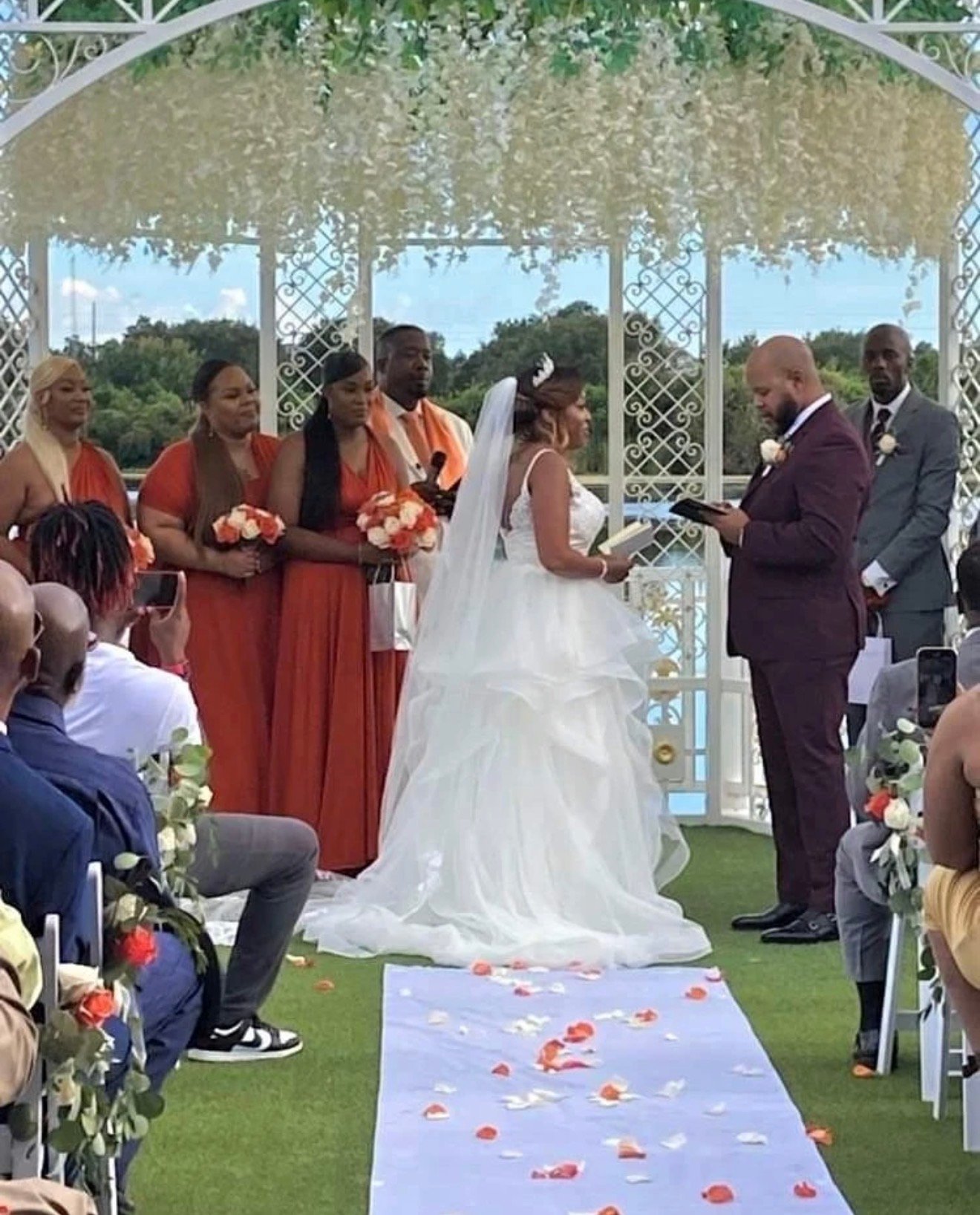
A room reveal between vows and dinner can feel magical. A long guest commute between locations usually does not. If you’re asking can one venue host ceremony reception plans without sacrificing style, the answer is yes – but only when the space is designed for both beauty and movement.
For many couples and families planning milestone events, a single venue is not just a convenience choice. It can shape the entire guest experience. Keeping the ceremony and reception together often simplifies timing, reduces transportation stress, and helps the event feel more connected. At the same time, it only works well when the venue has the right layout, enough square footage, and the flexibility to transform one part of the celebration into the next.
Can one venue host ceremony reception events well?
Yes, one venue can absolutely host both, and in many cases it is the stronger option. The key is not whether it is possible. The real question is whether the venue can handle two distinct moments with equal polish.
A ceremony asks for focus, sightlines, and atmosphere. A reception needs room for dining, dancing, entertainment, and guest circulation. Some spaces look beautiful in photos but become crowded once chairs, tables, a dance floor, and service areas are added. Others are large enough, but feel flat because they lack a thoughtful flow.
A refined, versatile venue should make those transitions feel intentional. Guests should know where to gather, where to sit, and where the next part of the celebration is unfolding. When that happens, one location can feel elevated rather than overly practical.
Why couples and families choose one venue
The biggest advantage is ease. When ceremony and reception happen in the same place, guests arrive once, park once, and settle into the event. That matters for weddings, but it also matters for quinceañeras, sweet sixteens, and formal family celebrations where multiple generations are attending.
There is also a budget advantage in many situations. Separate venues can mean separate rental fees, additional transportation, more décor duplication, and extra staffing coordination. A single location often allows you to concentrate your budget where guests will notice it most – floral design, lighting, entertainment, food presentation, or specialty rentals.
Then there is the emotional side. Moving from one venue to another can interrupt momentum. A single, well-planned setting keeps everyone in the same atmosphere from the first entrance to the last dance. That continuity often makes the celebration feel more personal and more memorable.
What makes a one-venue event successful
The layout has to work in phases
The best single-venue events are designed in stages. There may be one area for the ceremony, another for cocktail hour, and a reconfigured main floor for dinner and dancing. In a large open venue, this can be done with furniture placement, draping, décor, or timing.
This is where flexibility matters more than fixed design. A rigid room may look formal, but it can limit how you use it. An adaptable floor plan gives you room to create a ceremony setting that feels intimate, then open the space up for a larger, more energetic reception.
Guest count has to match the room
Capacity is not just about the maximum number a venue can legally hold. It is about how comfortable the event feels once every essential element is in place. A venue that seats 200 guests for dinner may feel very different when you also need a ceremony aisle, sweetheart table, DJ area, buffet setup, photo backdrop, or dance floor.
That is why it helps to ask how the room functions for your actual event style, not just your headcount. A versatile venue should be able to explain how different layouts work for different celebrations.
Transition time needs a plan
One of the main concerns people have when asking can one venue host ceremony reception events is what happens between the two. If the ceremony and reception share the same room, there needs to be a clear transition strategy.
Sometimes that means guests move into a cocktail area while the main floor is reset. Sometimes the ceremony takes place in one section of the venue while reception seating is already arranged in another. Neither approach is automatically better. It depends on the size of the venue, the number of guests, and how formal you want the pacing to feel.
When one venue is the better choice
A single venue is often ideal when convenience is high on your priority list, when you have out-of-town guests, or when you want a smooth and elegant timeline. It also works especially well for family-centered celebrations where older relatives, children, and large groups benefit from staying in one place.
For Tampa-area hosts, weather can also be part of the decision. Keeping the full event indoors can offer peace of mind without giving up style. A spacious indoor setting with polished finishes and a flexible floor plan can deliver that balance of comfort and occasion.
This setup is also strong for events with multiple formal moments. A wedding might include the ceremony, cocktail hour, dinner, dancing, and cake cutting. A quinceañera may include a grand entrance, formal presentation, dinner, and dance celebration. In both cases, one well-configured venue can support the full progression of the event.
When separate venues may still make sense
There are times when two locations are the right fit. If you are committed to a specific house of worship for the ceremony and want a separate ballroom for the reception, that is a meaningful choice. If your ceremony vision depends on a setting that a reception venue cannot replicate, using two venues may be worth the extra coordination.
Some hosts also prefer a clear break between the formal and social portions of the day. That can create a very traditional rhythm. The trade-off is that you will need to think through transportation, timing, guest communication, and the possibility of delays.
Choosing one venue is not always better by default. It is better when the venue can support your event with enough space, flexibility, and structure.
Questions to ask before booking
Before you decide, ask how the venue handles room flips, guest flow, vendor access, and floor plan customization. Ask where the ceremony would take place, where guests would gather during transitions, and how the reception layout changes based on guest count.
It is also wise to ask what is included. Tables, chairs, setup support, staging areas, and timing windows all affect whether one venue feels efficient or stressful. A beautiful space becomes much more valuable when it is also event-ready.
If you are touring in person, picture the full sequence rather than one static setup. Where will the entrance happen? Where will guests naturally look during the ceremony? Is there enough room for both elegant dining and a lively dance floor? Those practical questions usually reveal more than décor alone.
How a flexible venue changes the answer
The phrase can one venue host ceremony reception is really a question about adaptability. A venue that only works one way will force compromises. A venue with open space, refined design, and multiple layout options can be tailored to the celebration instead.
That is why flexible indoor venues are often such a strong choice for modern events. They allow hosts to honor tradition, personalize the setup, and keep the event moving smoothly. In a spacious setting like Chic Venue Anderson, the advantage is not only that everything can happen in one place. It is that each part of the celebration can still feel distinct.
A ceremony should feel meaningful. A reception should feel joyful. When the venue supports both with equal care, guests remember the experience as polished, comfortable, and beautifully paced.
If you are weighing one venue against two, think beyond the calendar and the rental fee. Think about how you want the day to feel from arrival to farewell. The right venue does more than hold the event – it helps the celebration unfold the way it should.

